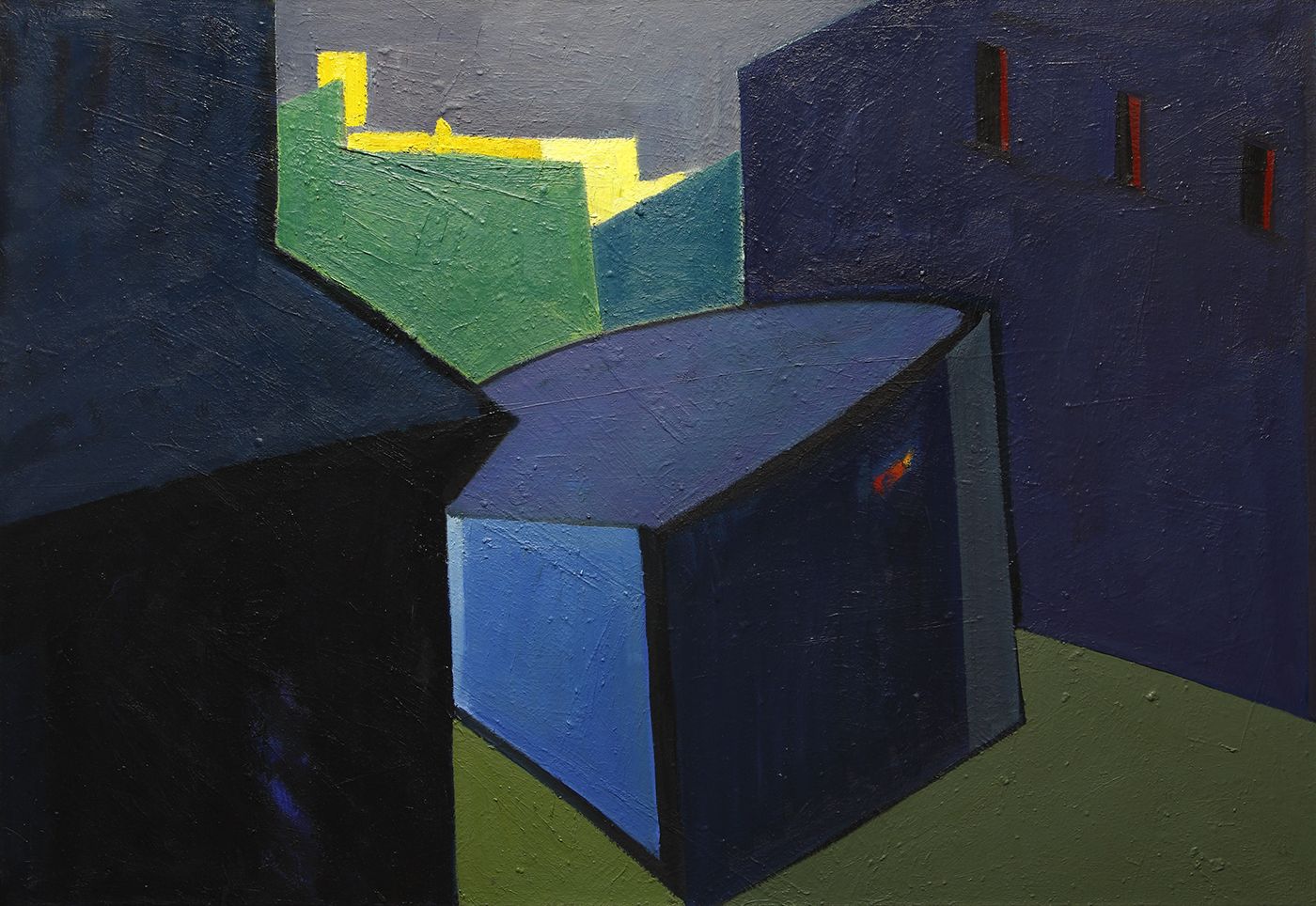
FORBIDDEN CITY
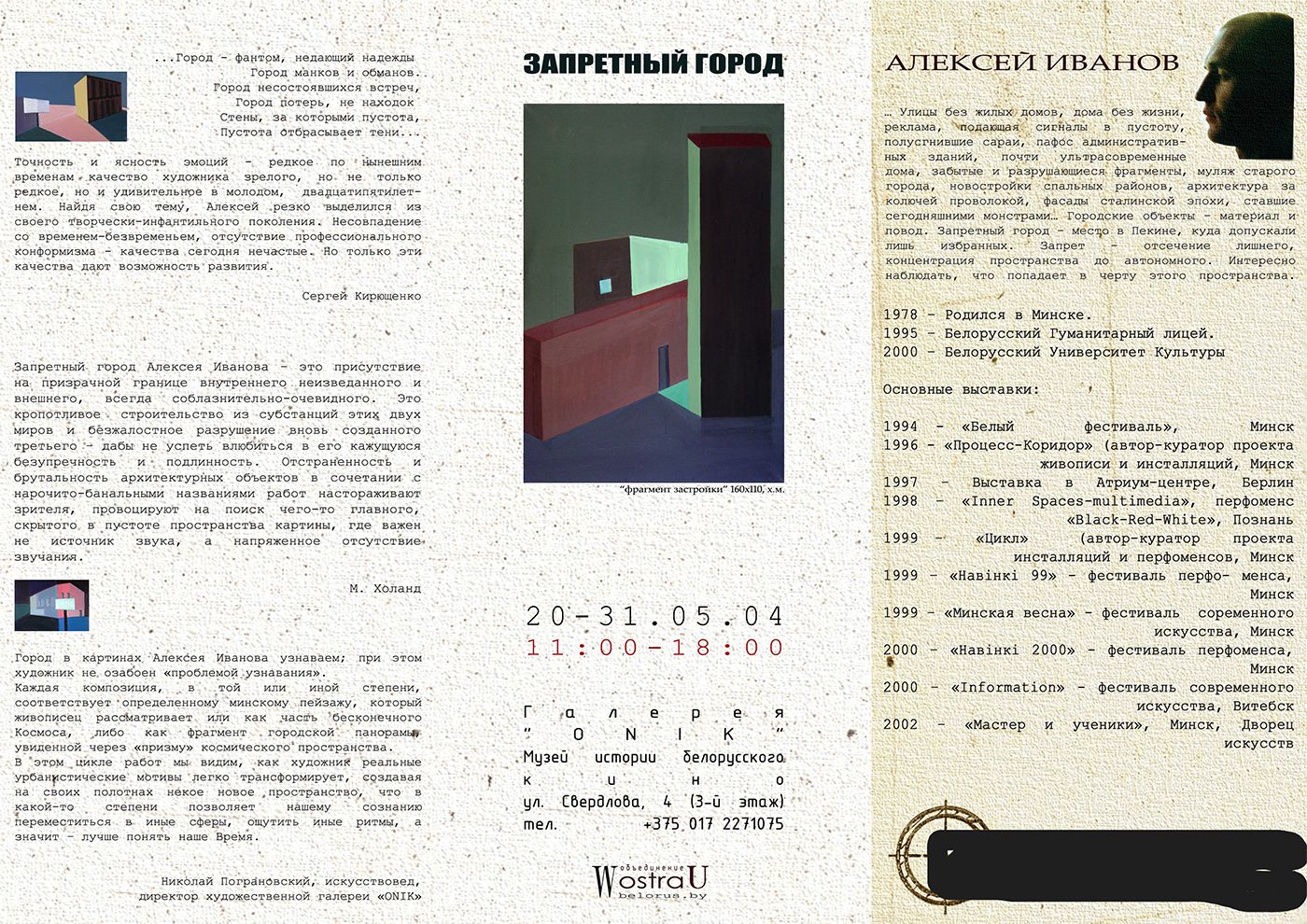
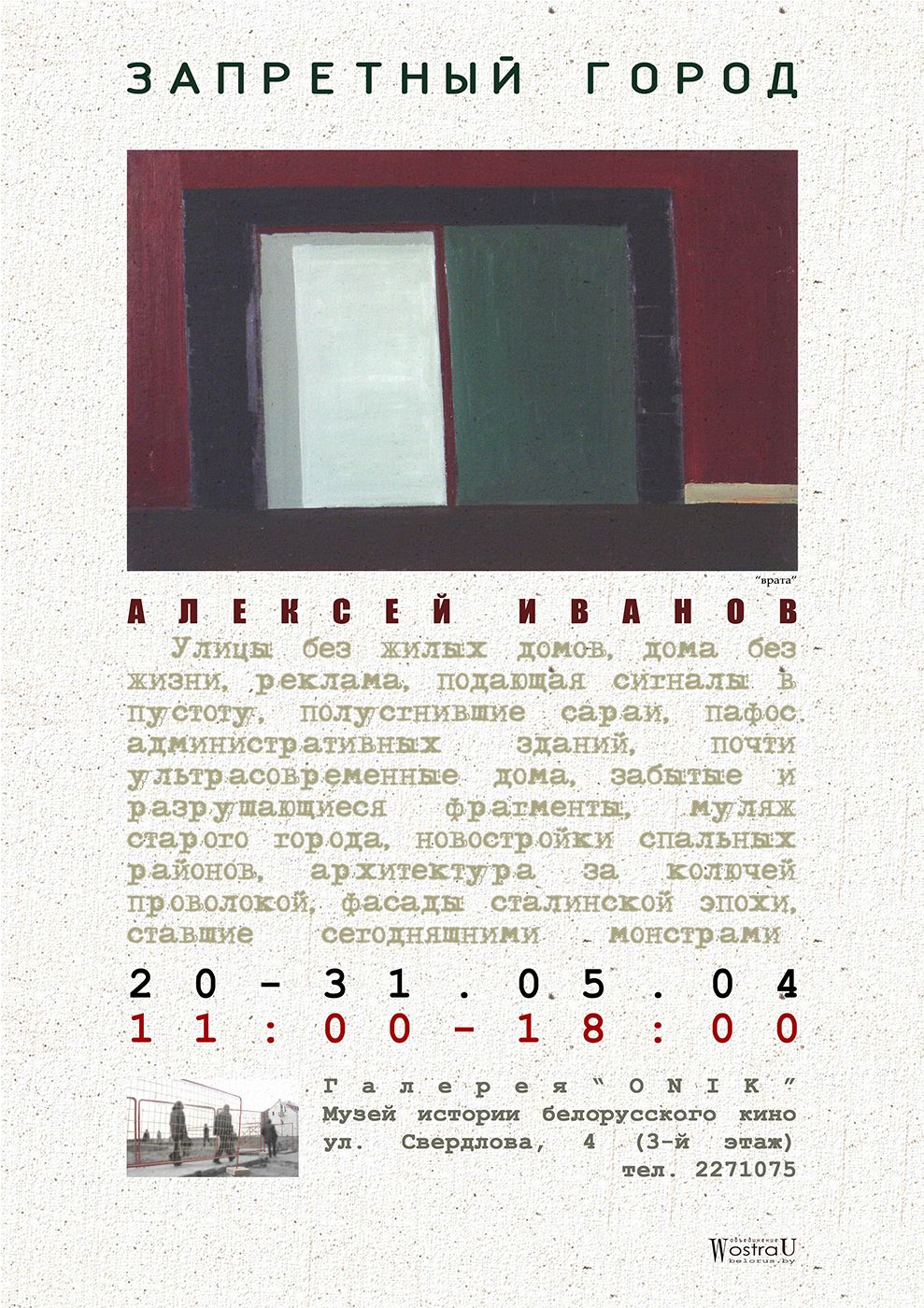
The initial starting point of my art practice was to research the post-soviet city phenomenon, such as Minsk city. The city, the elements of which coexist in a paradoxical eclectic way: the monuments of Stalin’s epoch and architecture pretending to be modern, the pathos of state buildings and ruined old fragments.
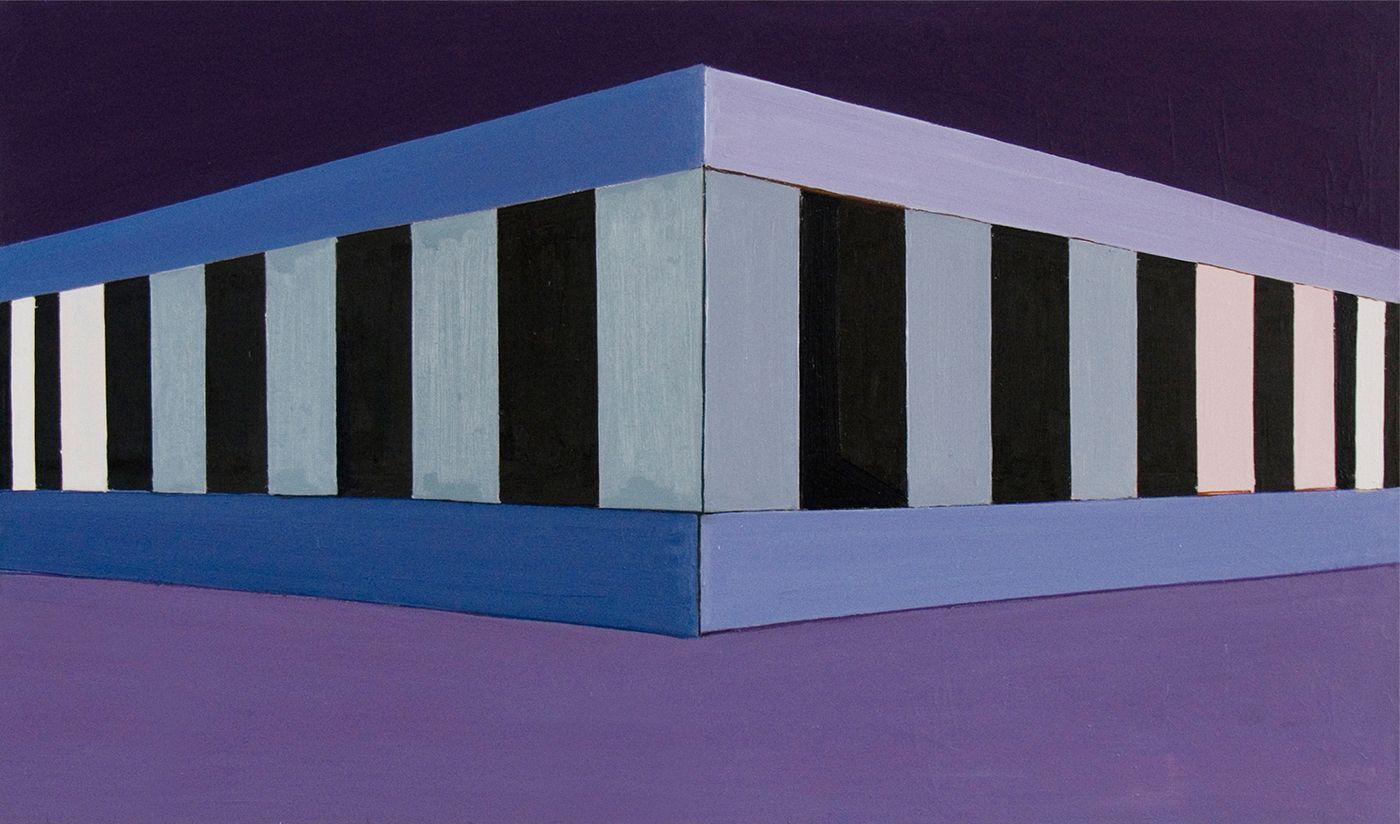
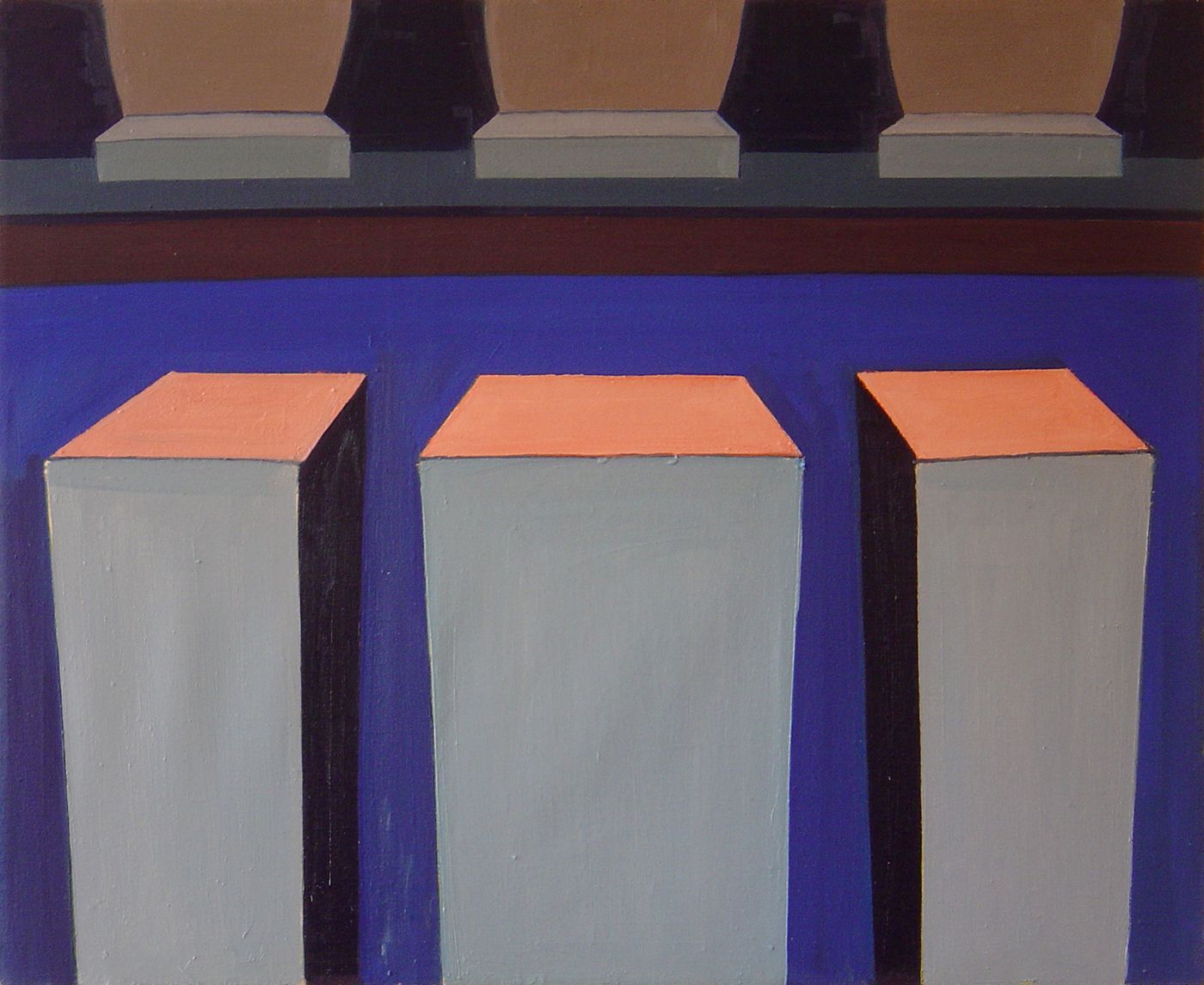
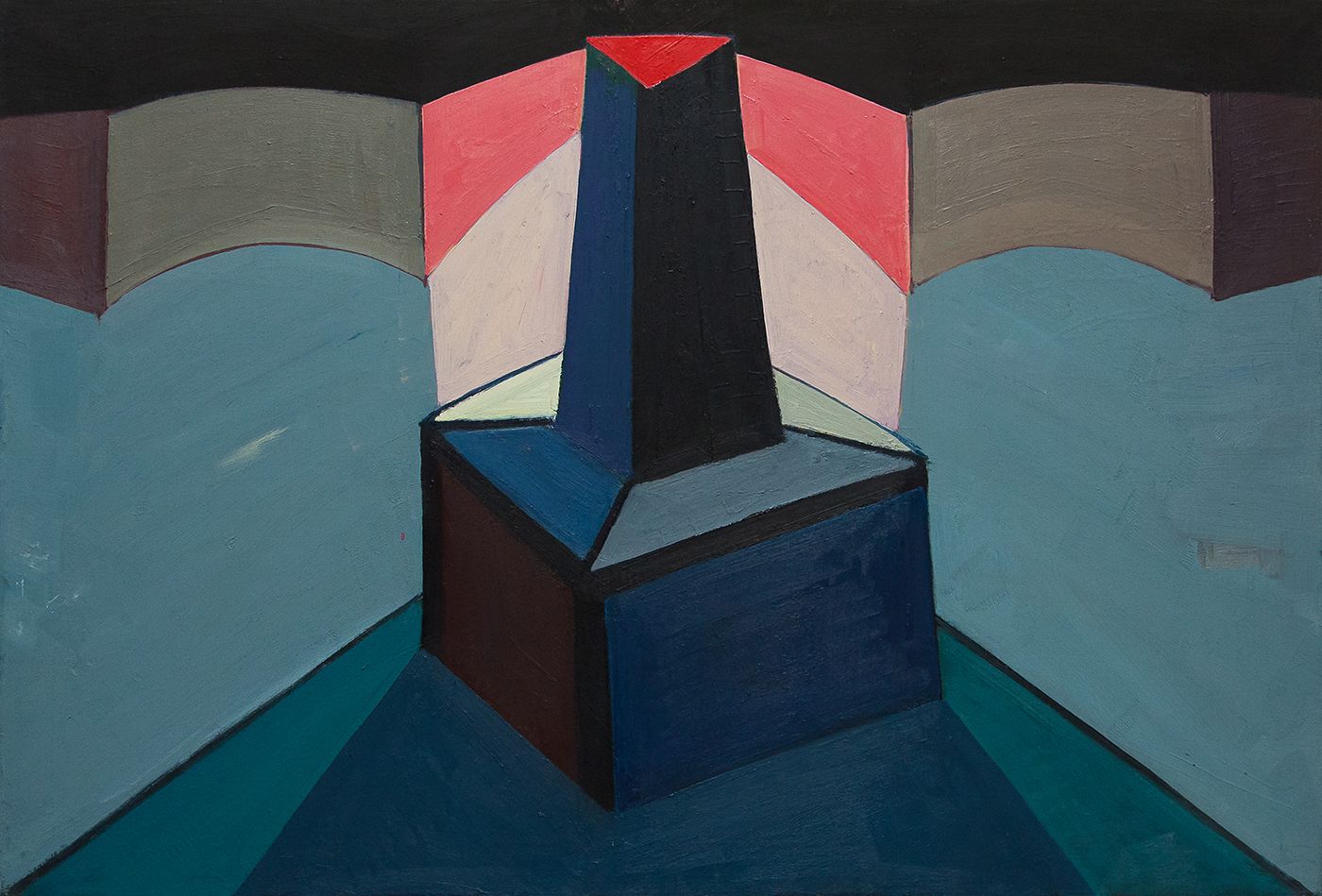
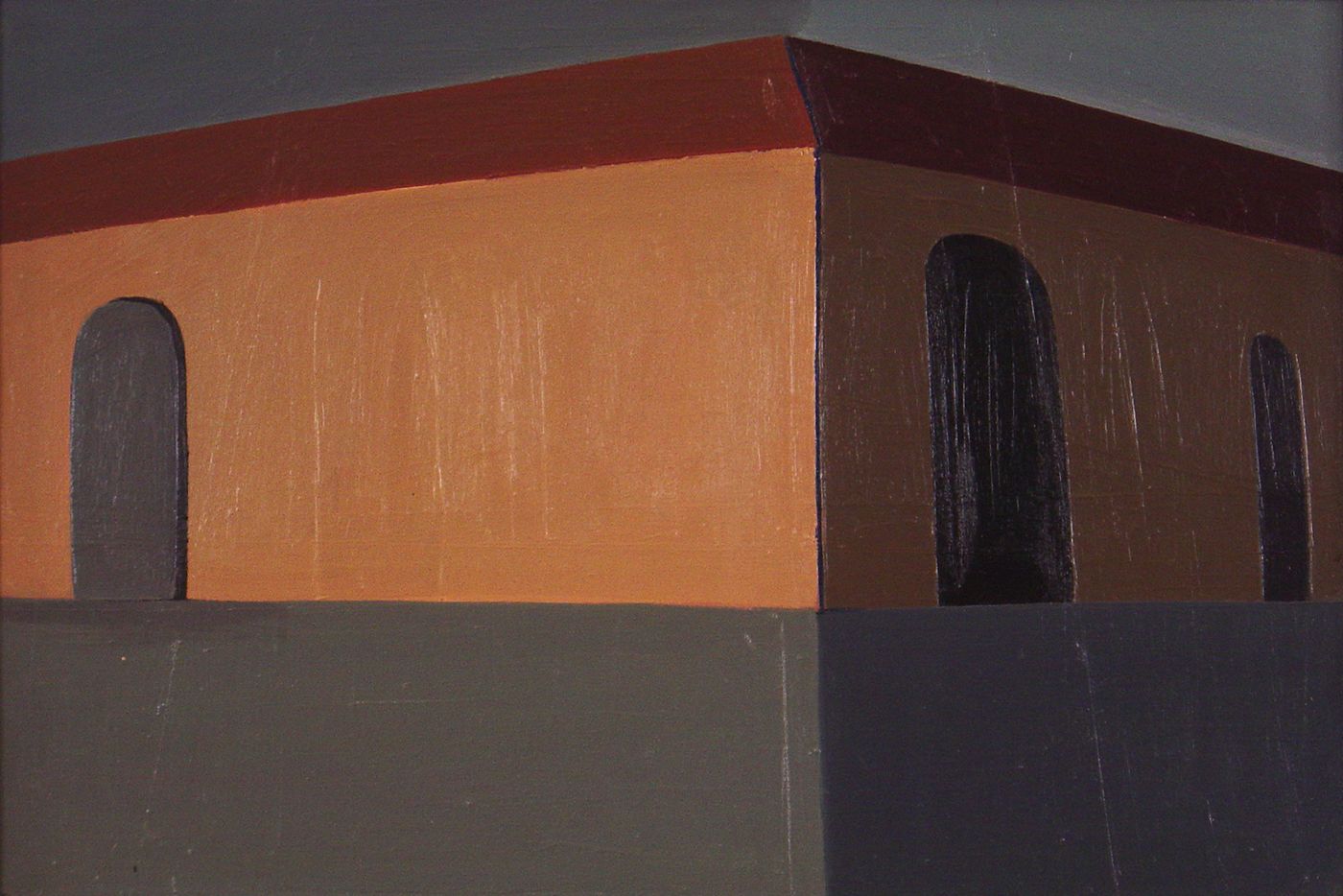
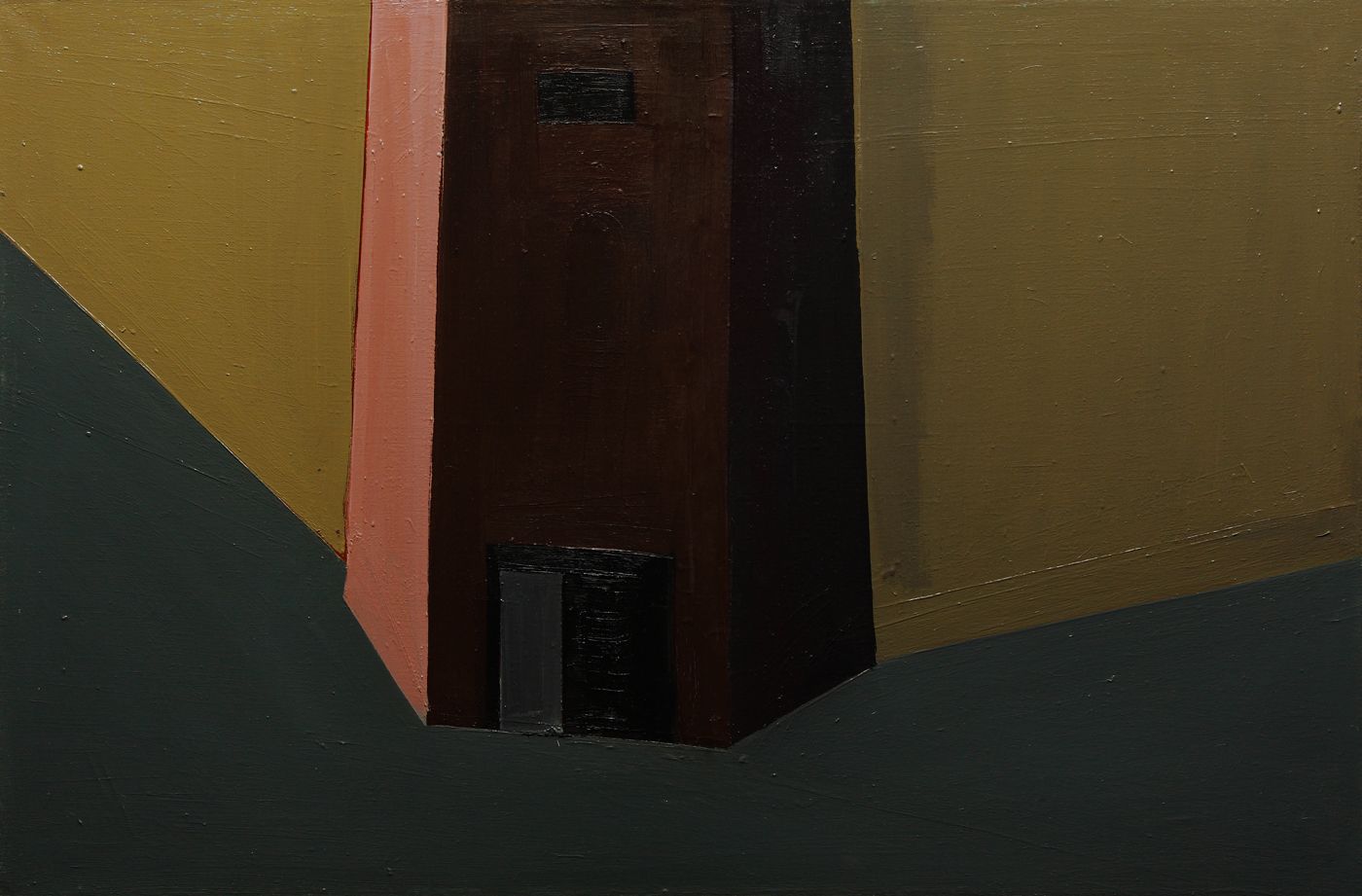
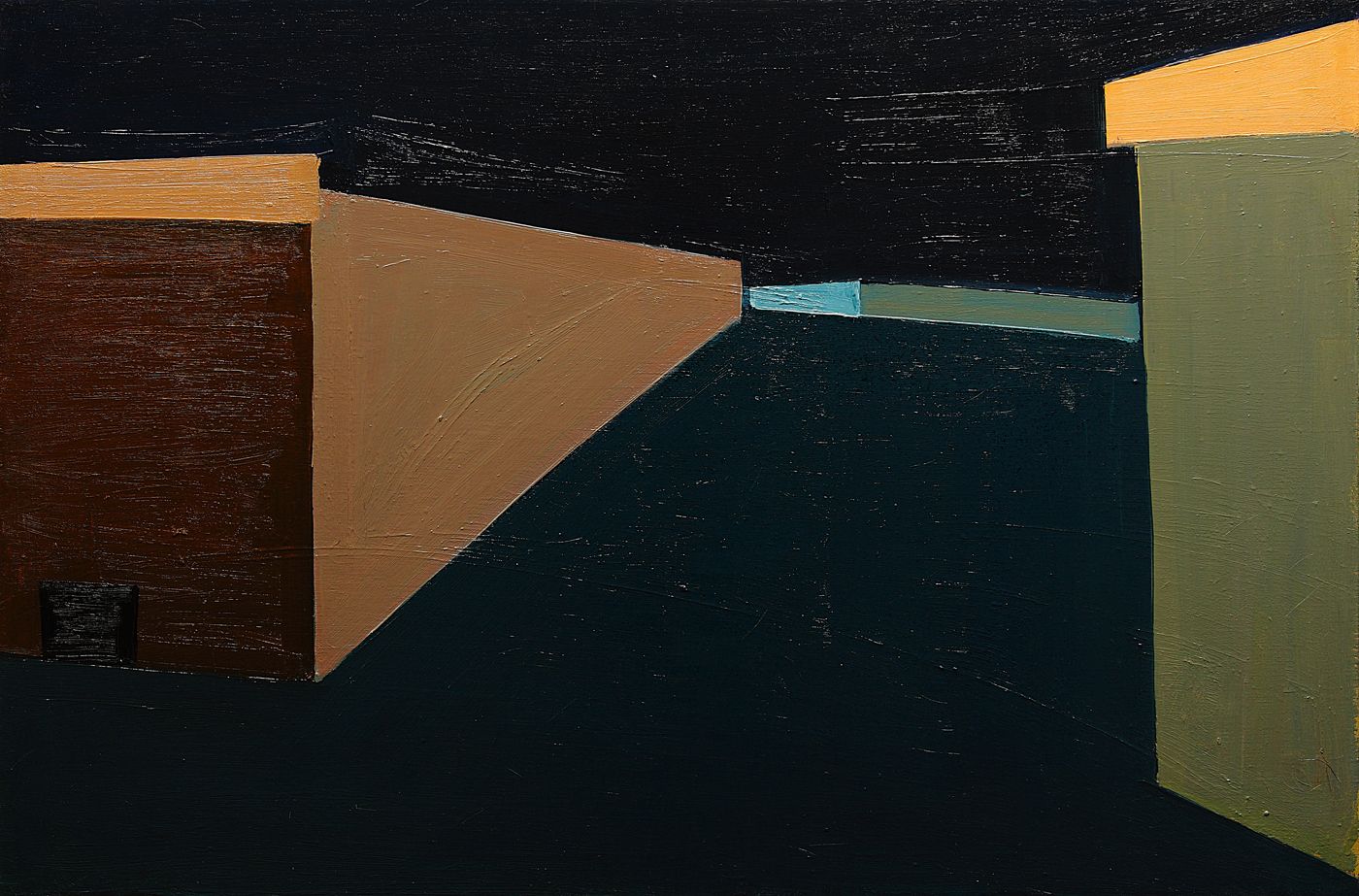
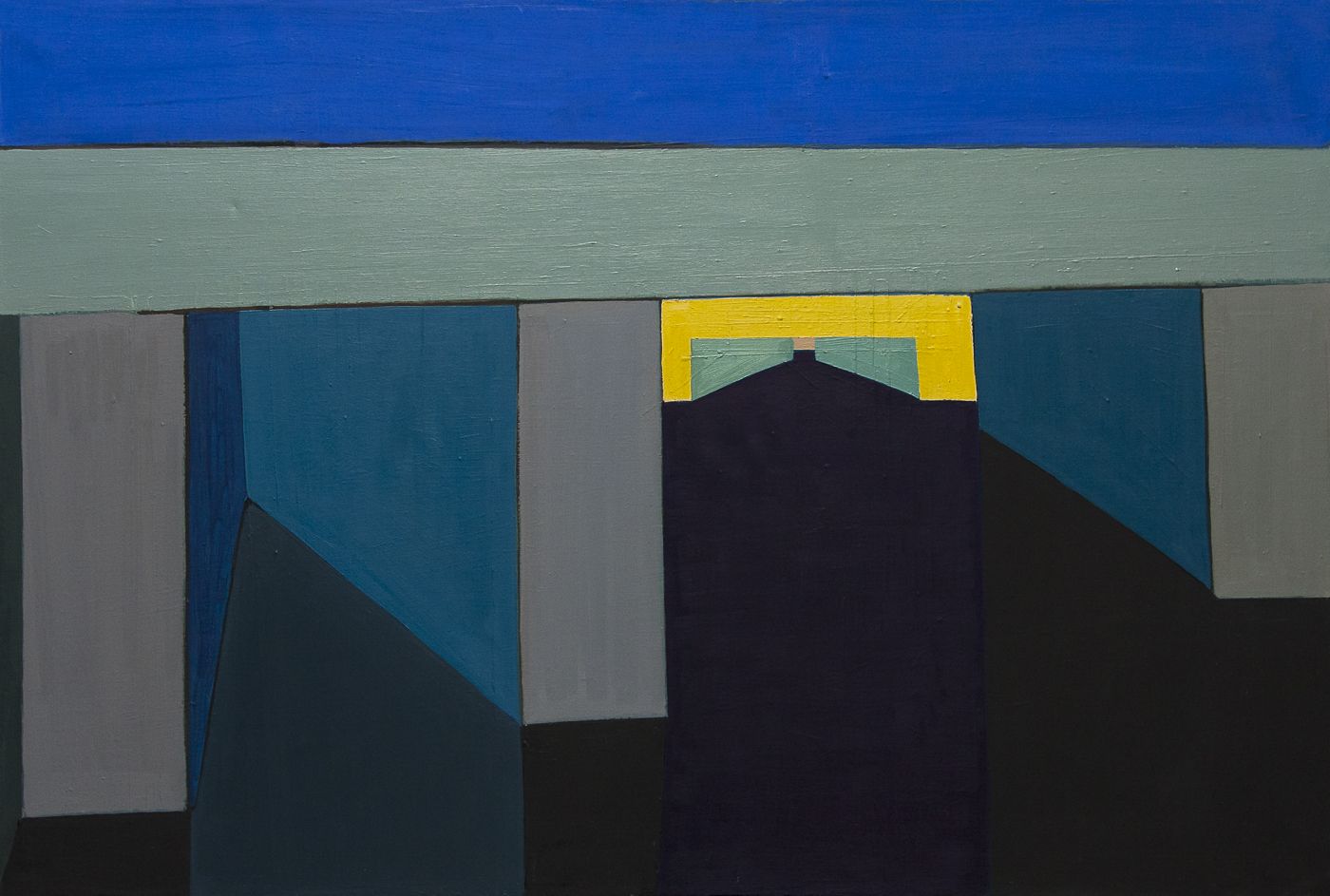
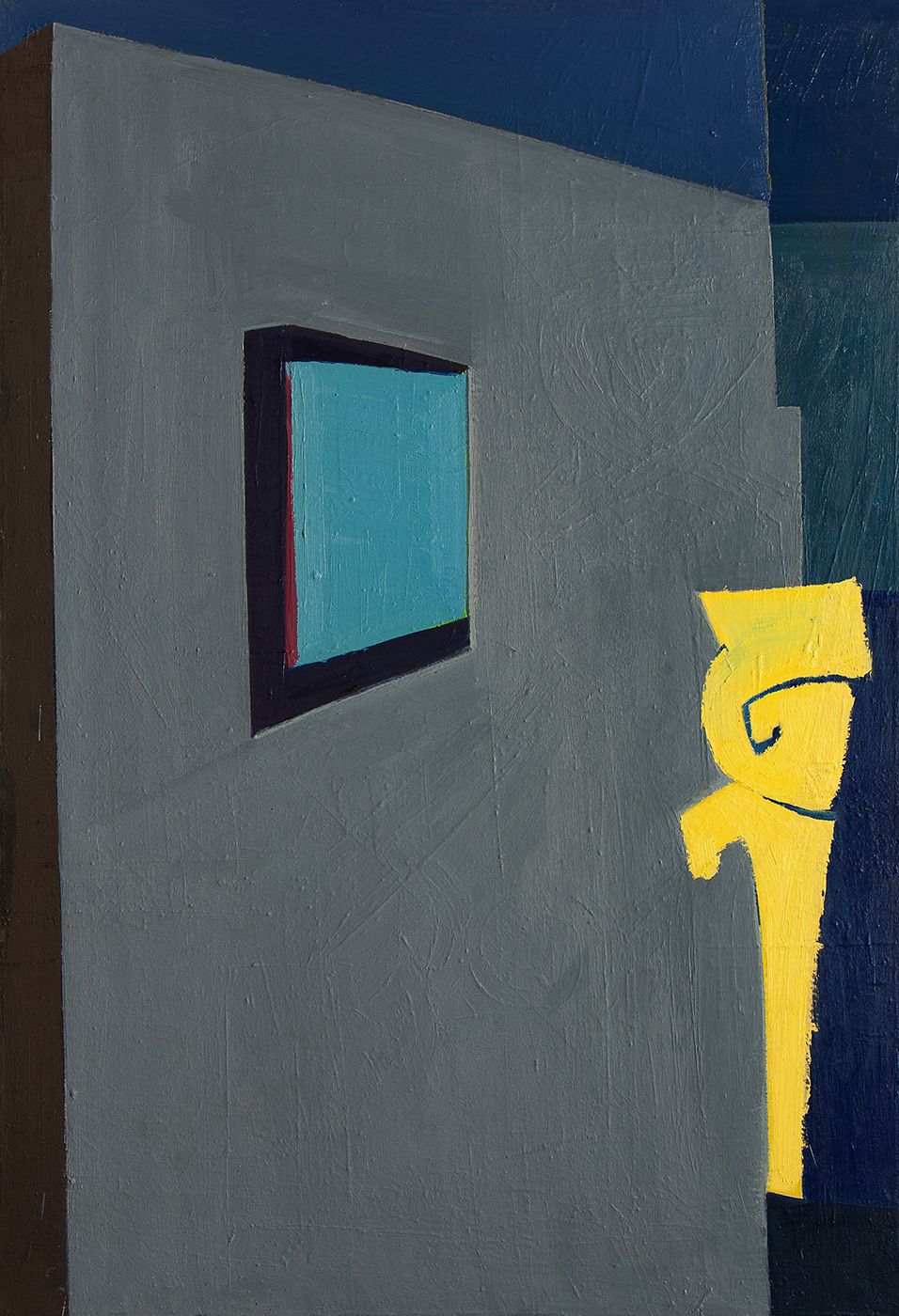
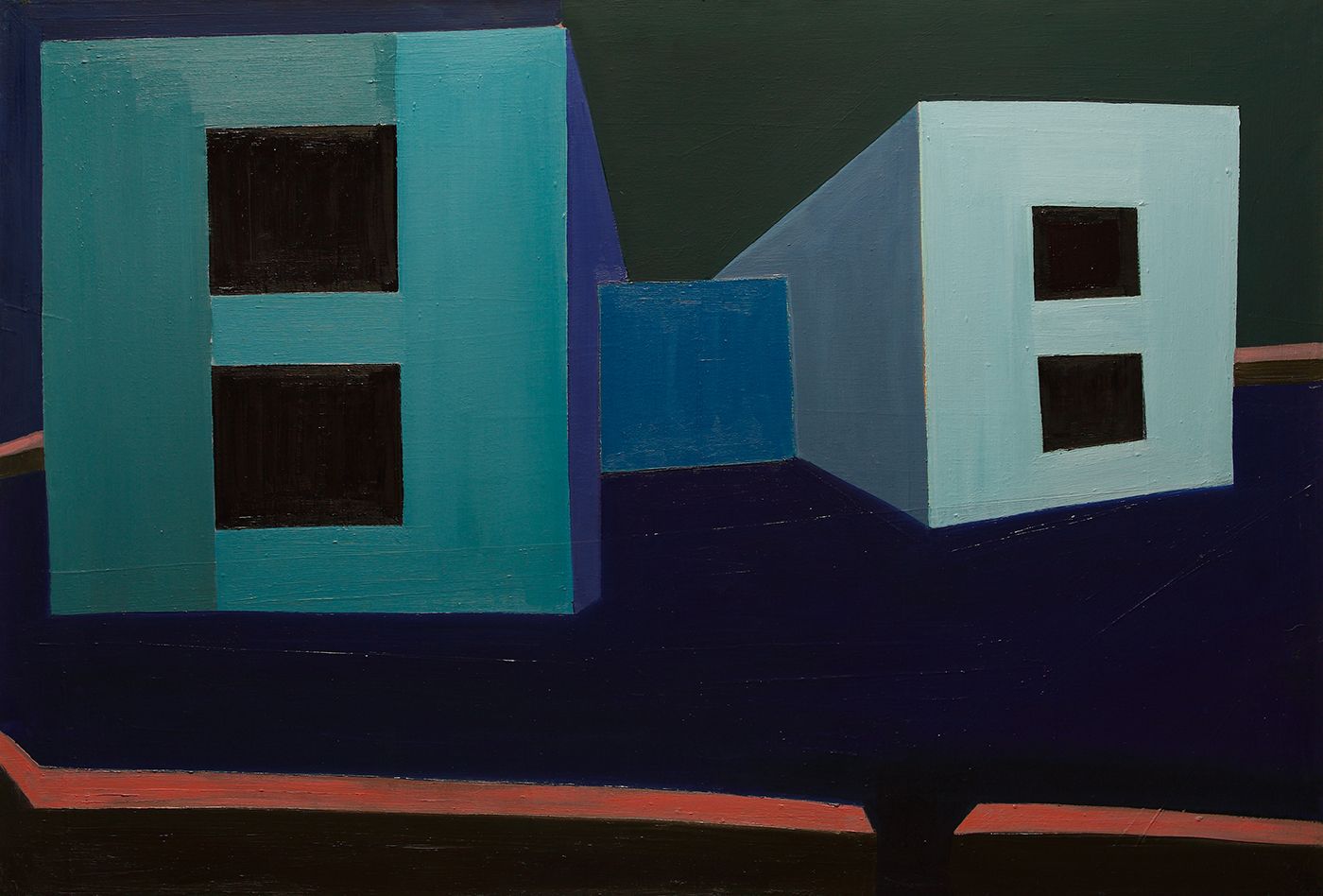
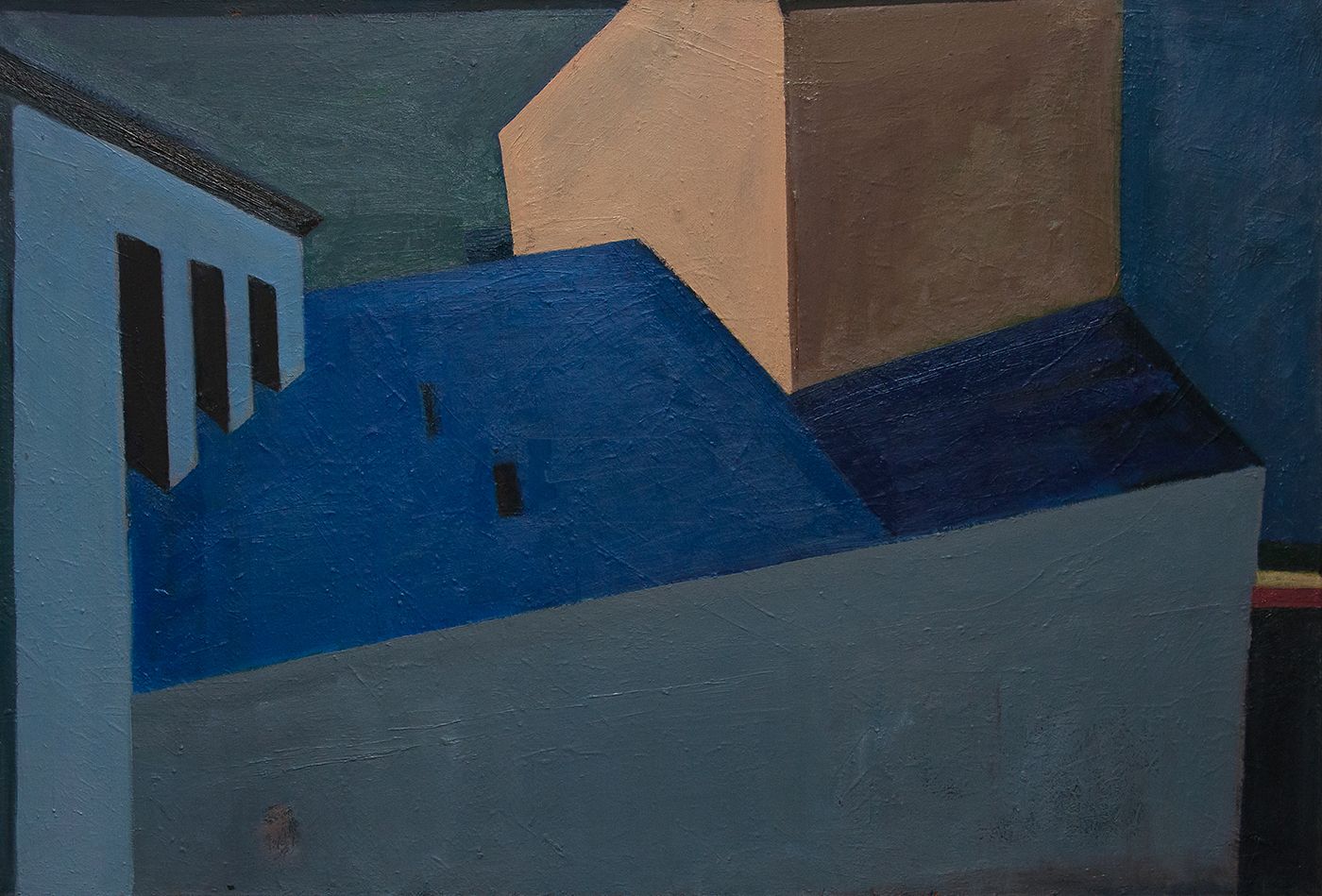
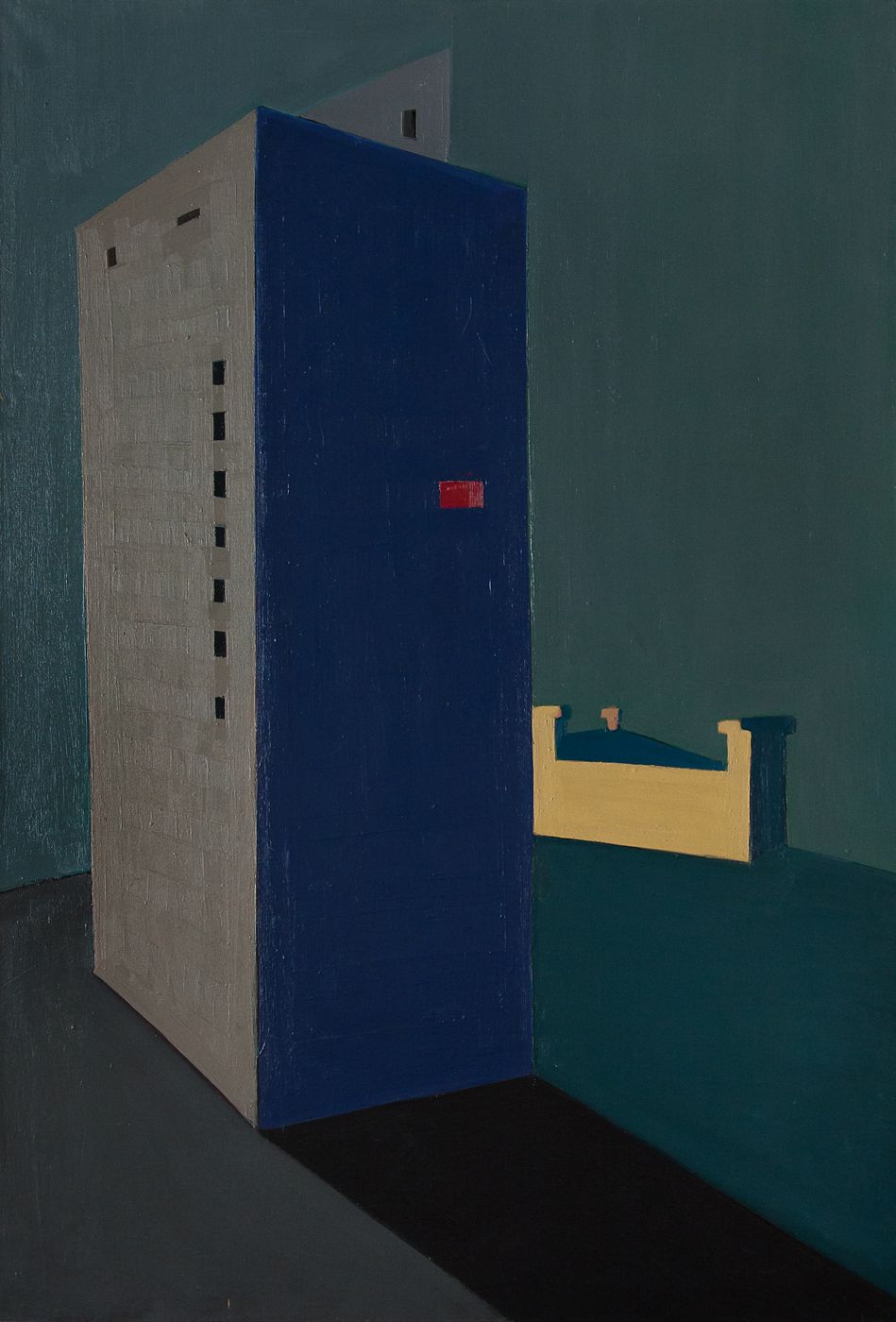
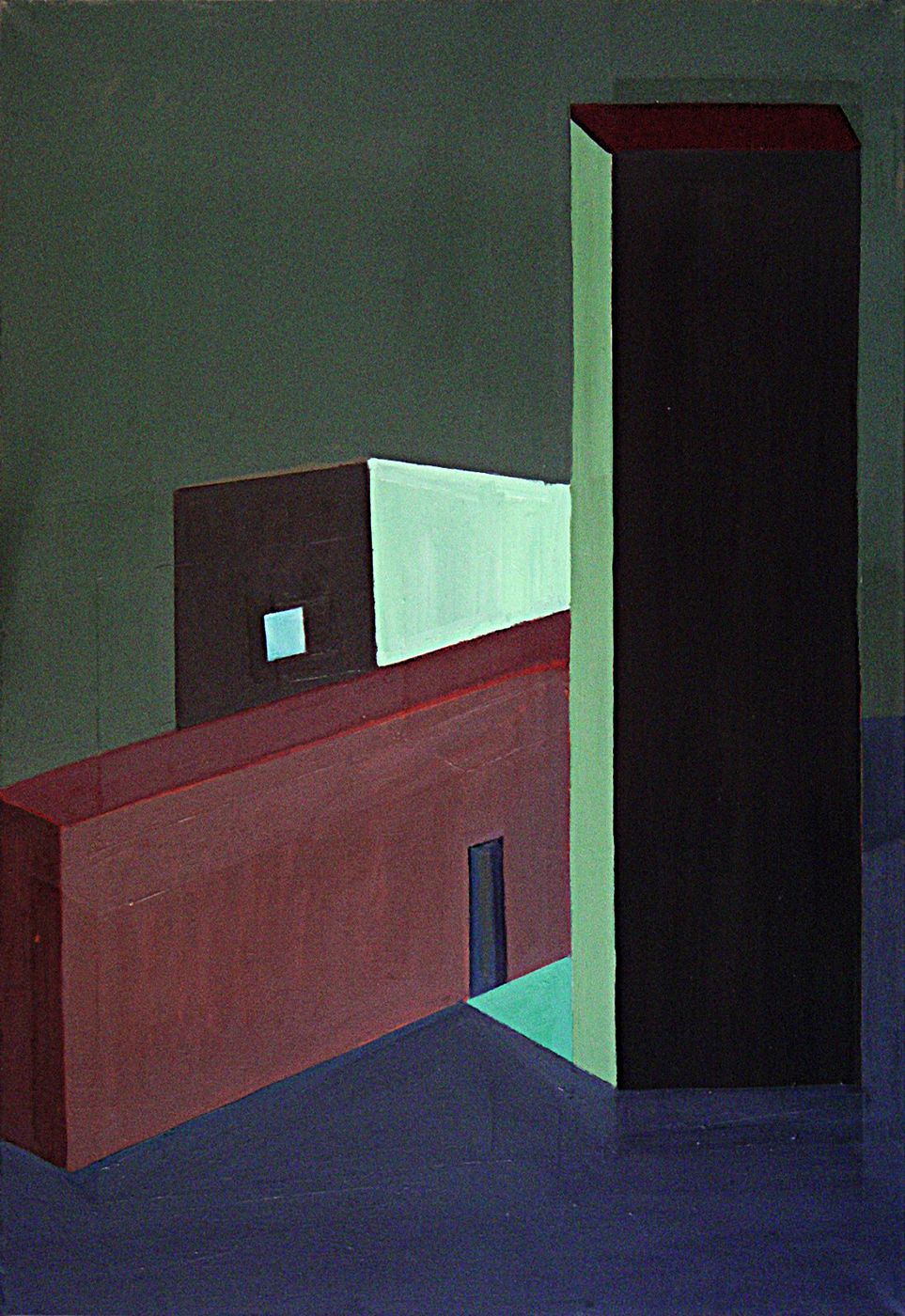
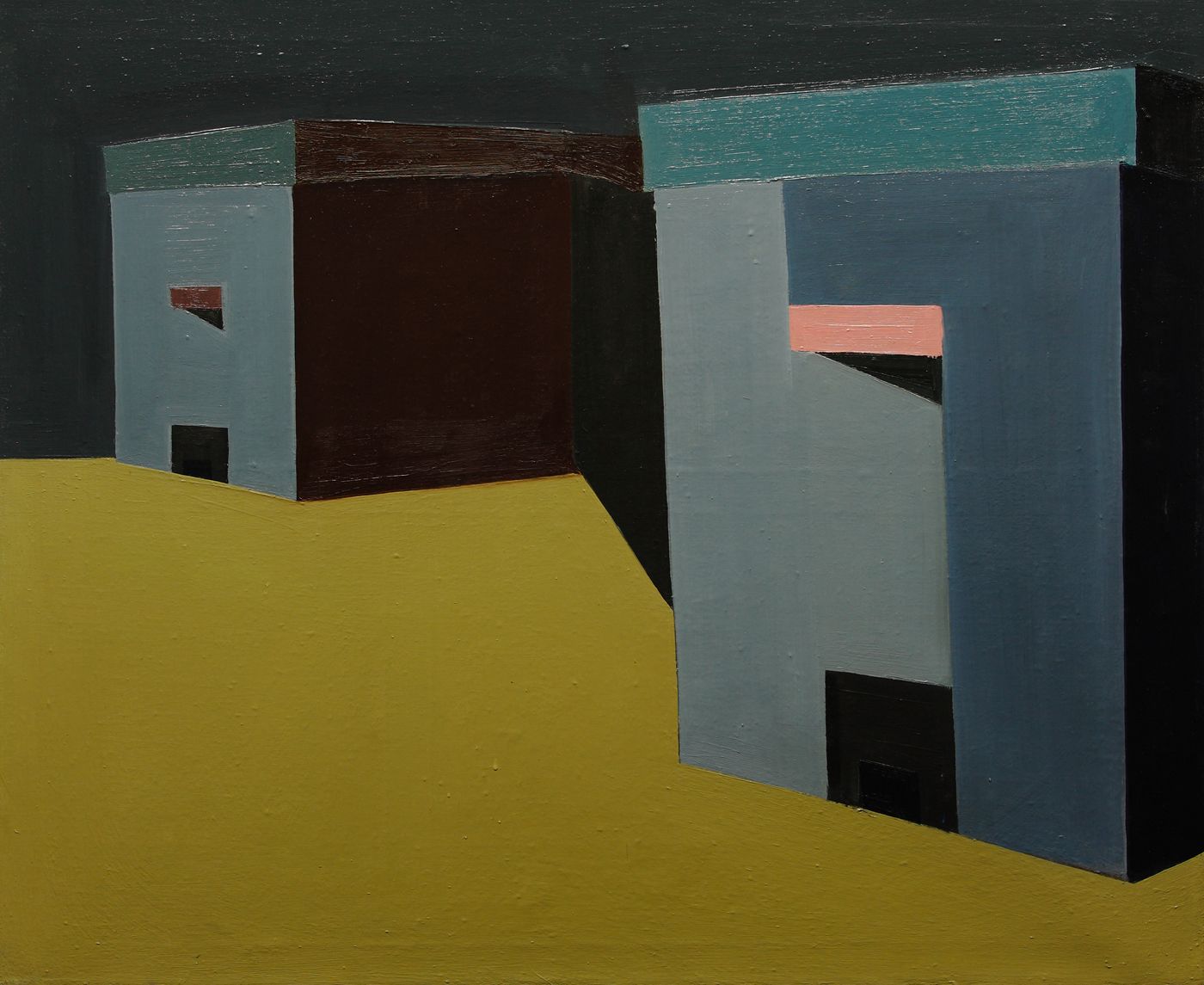
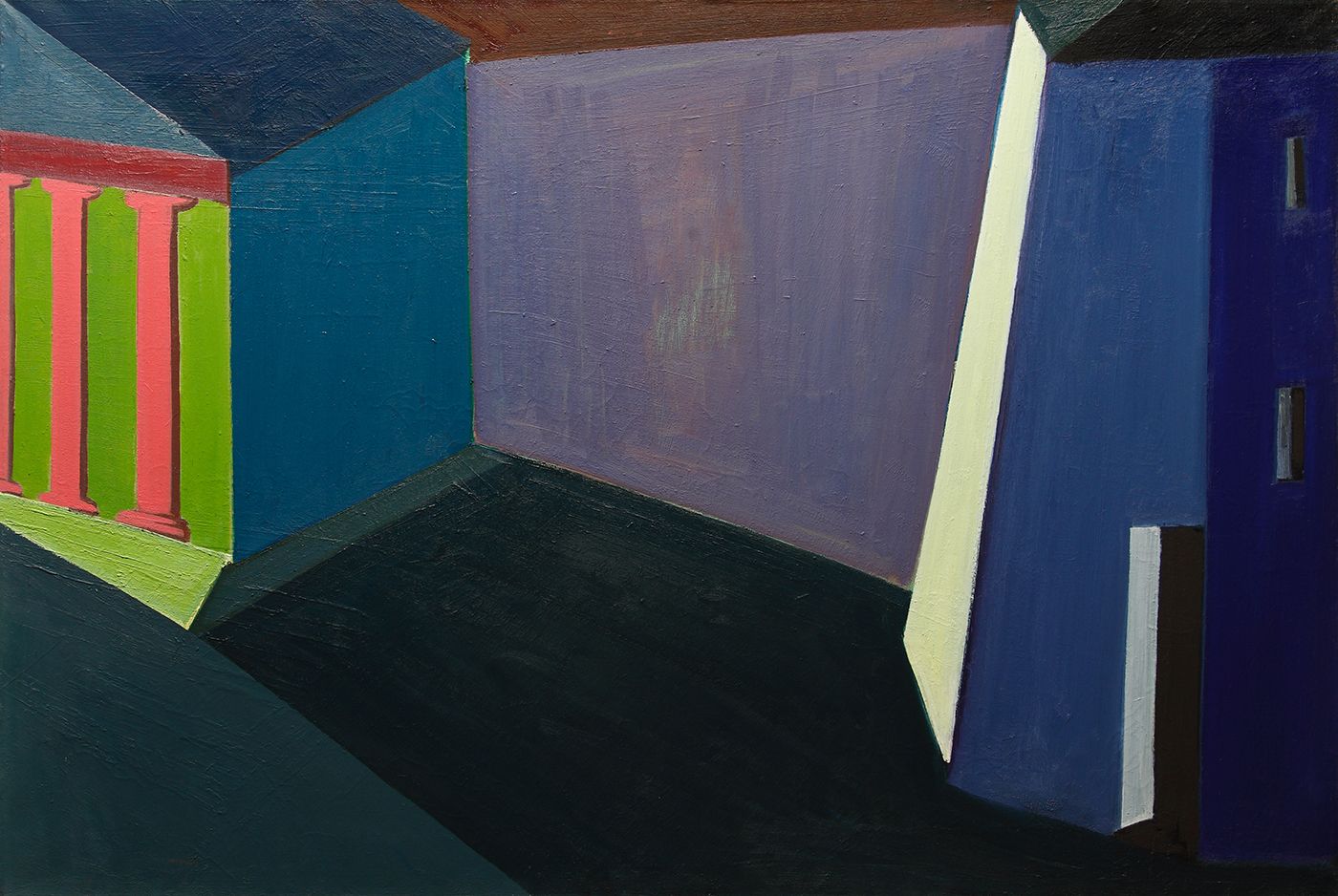
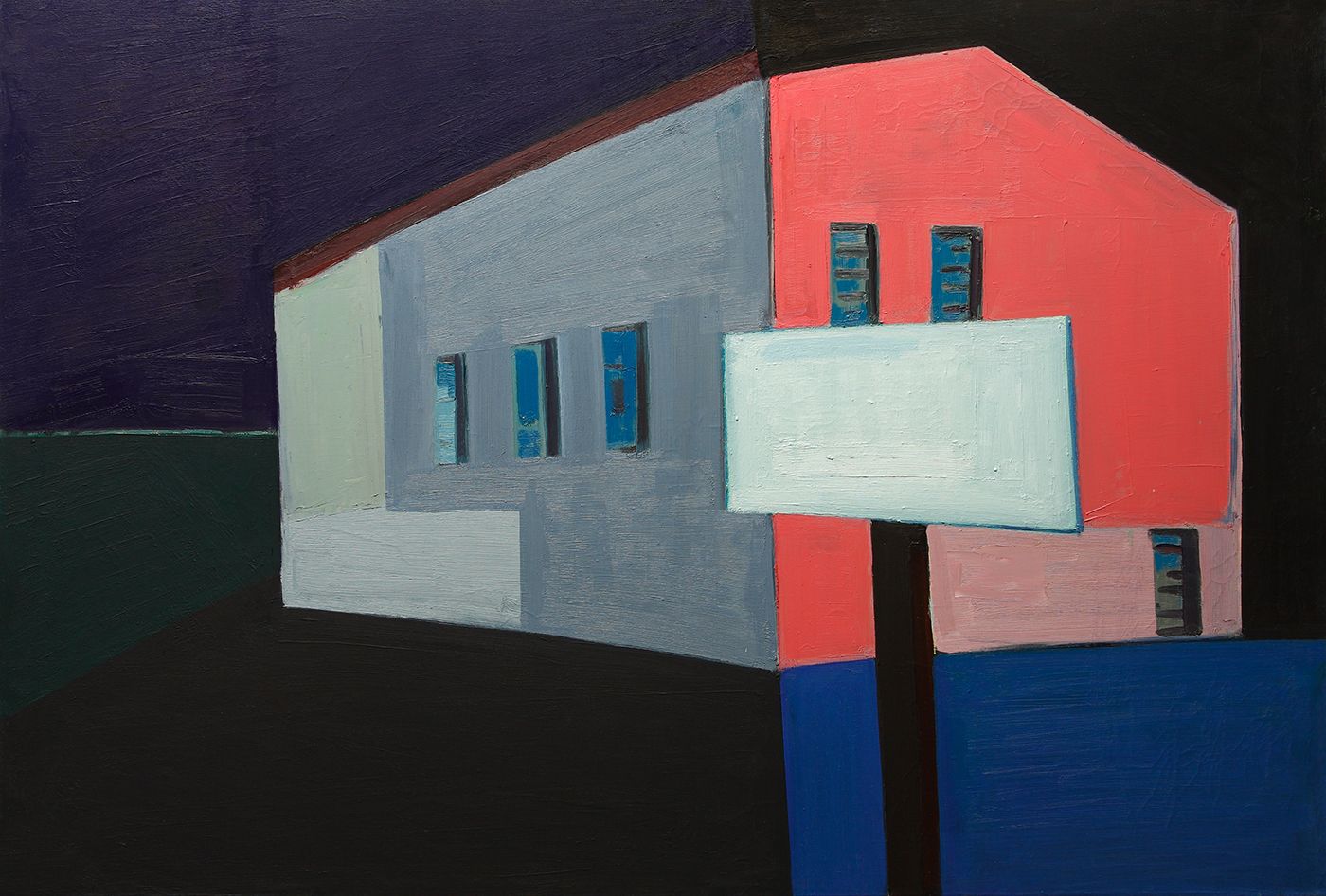
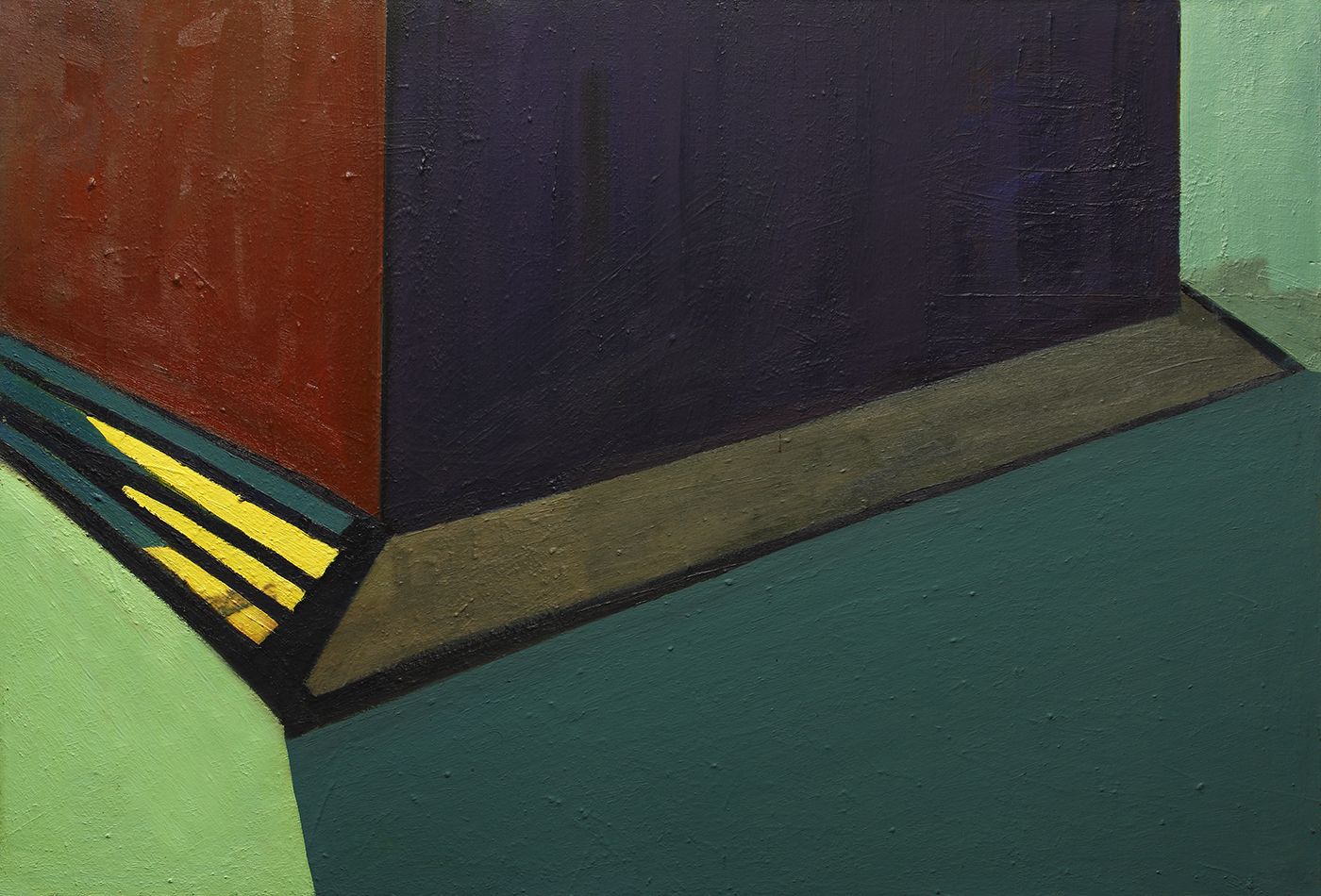
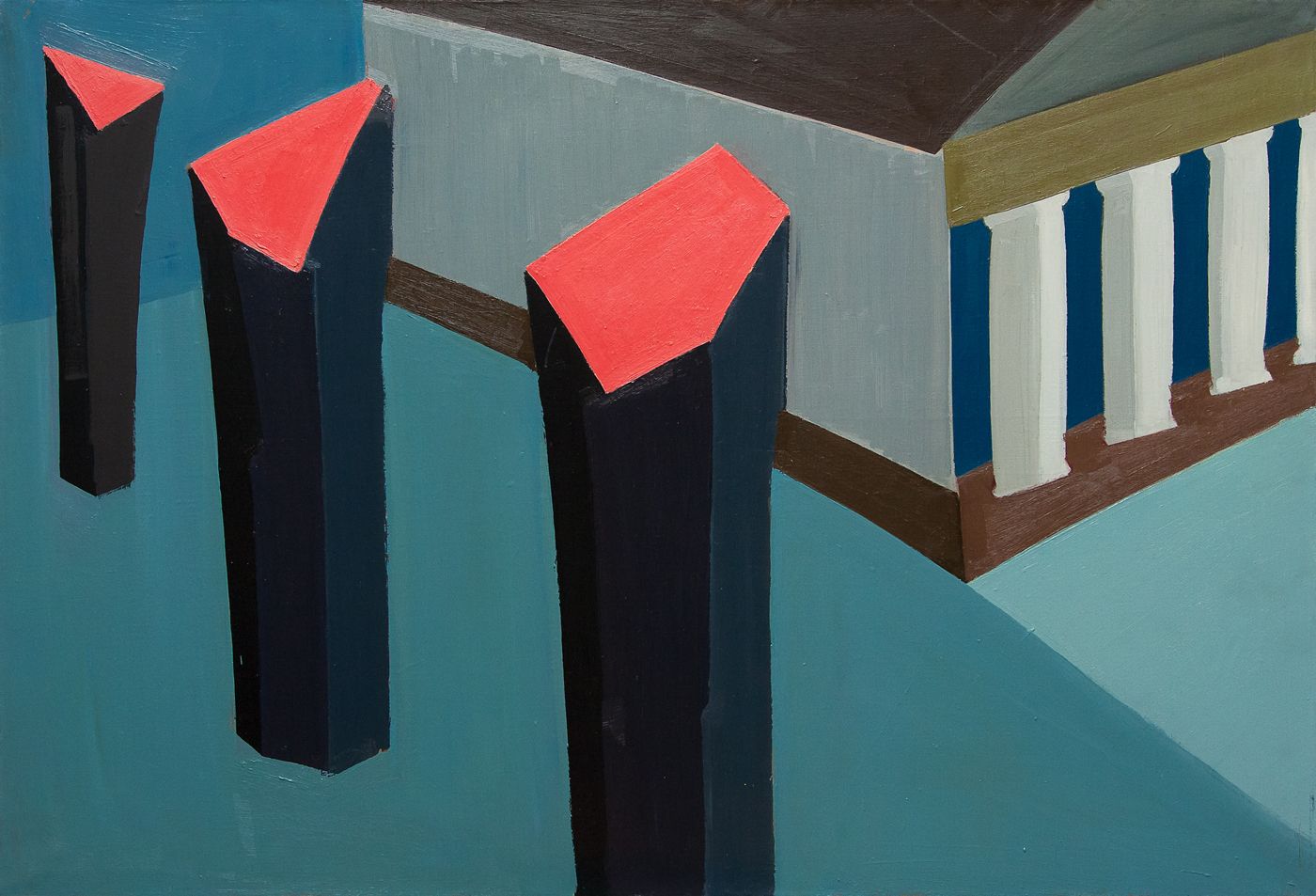
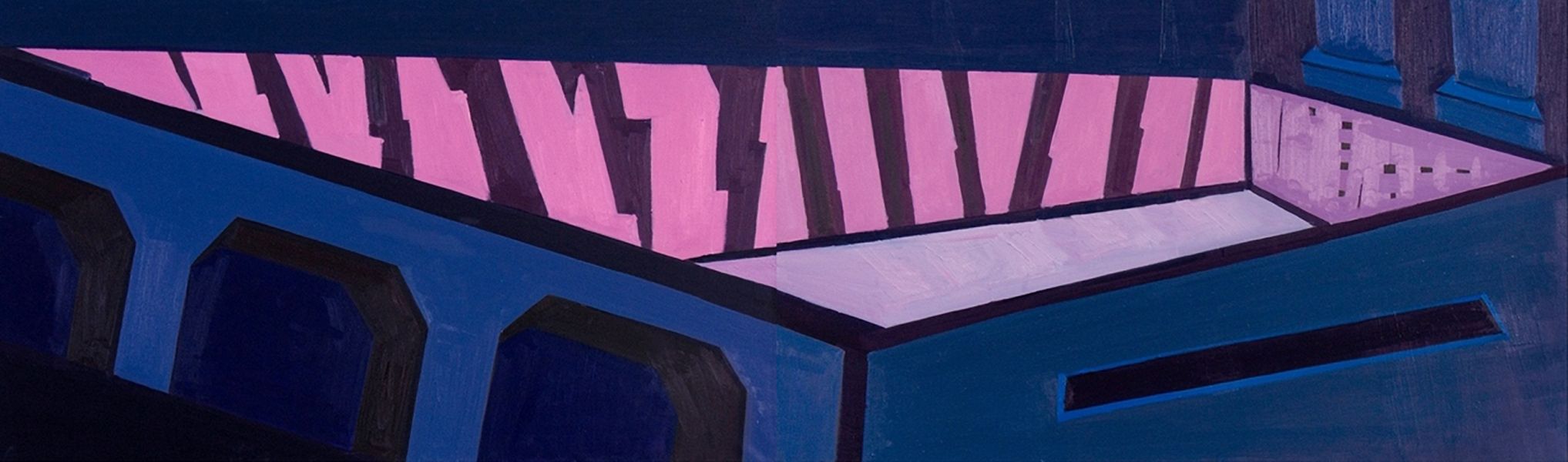
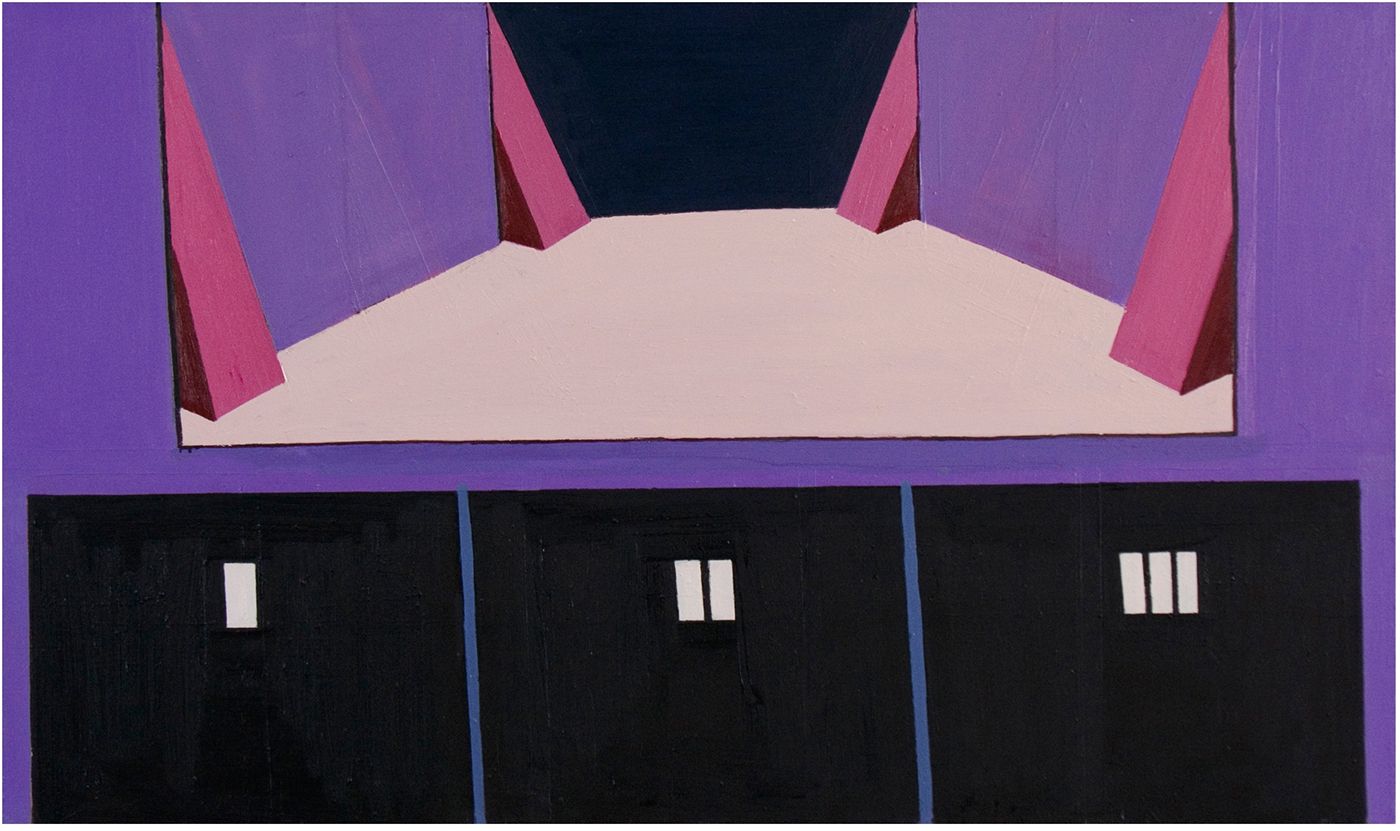
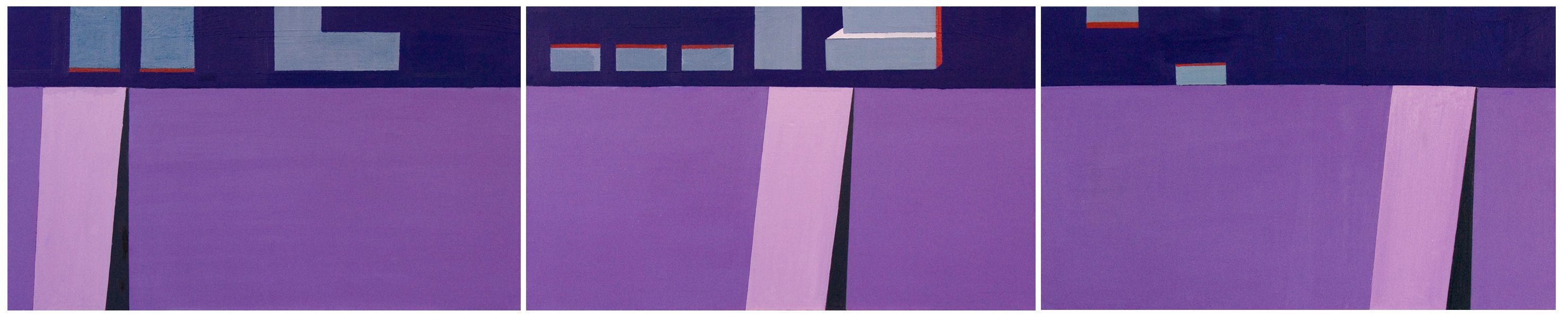
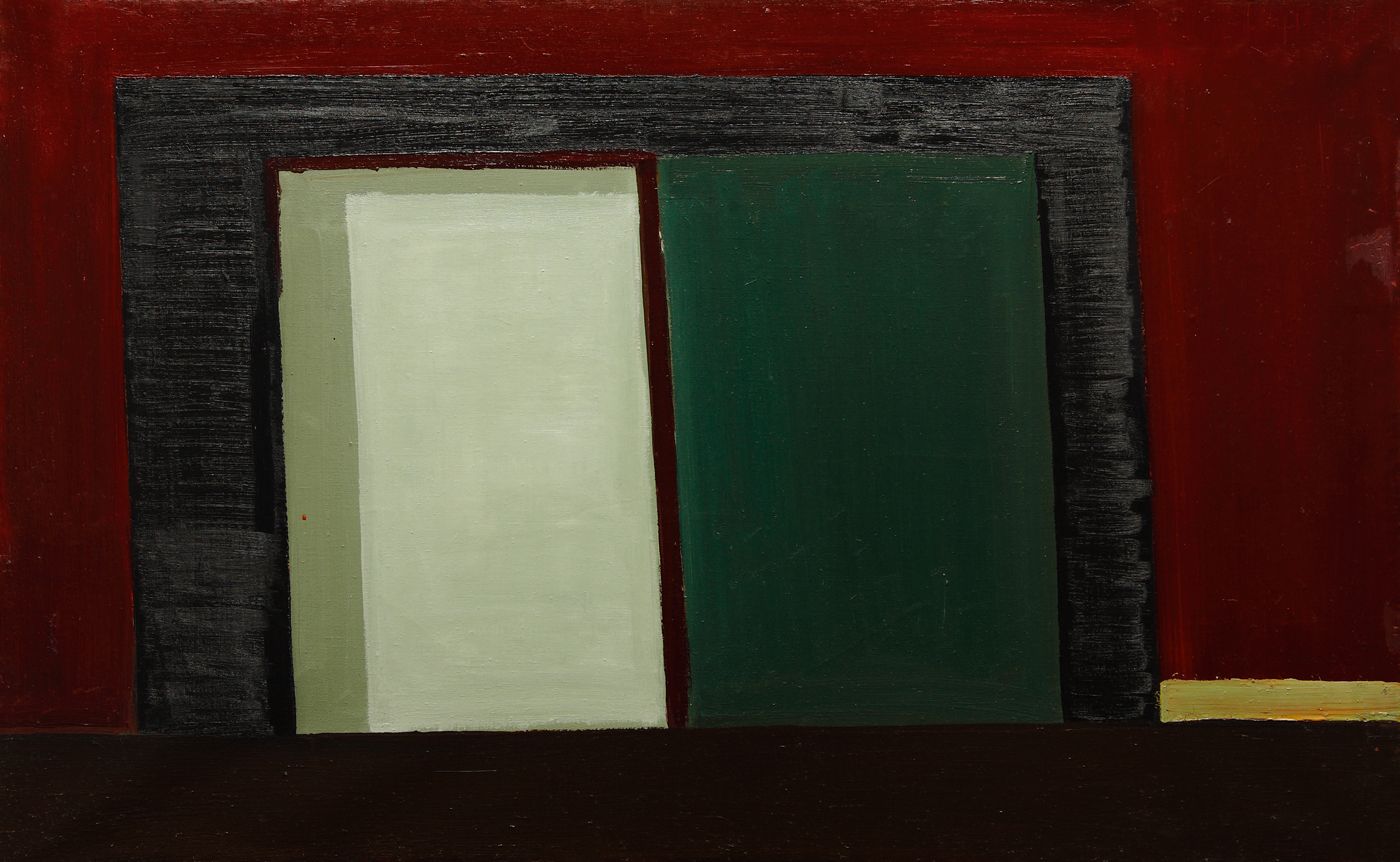
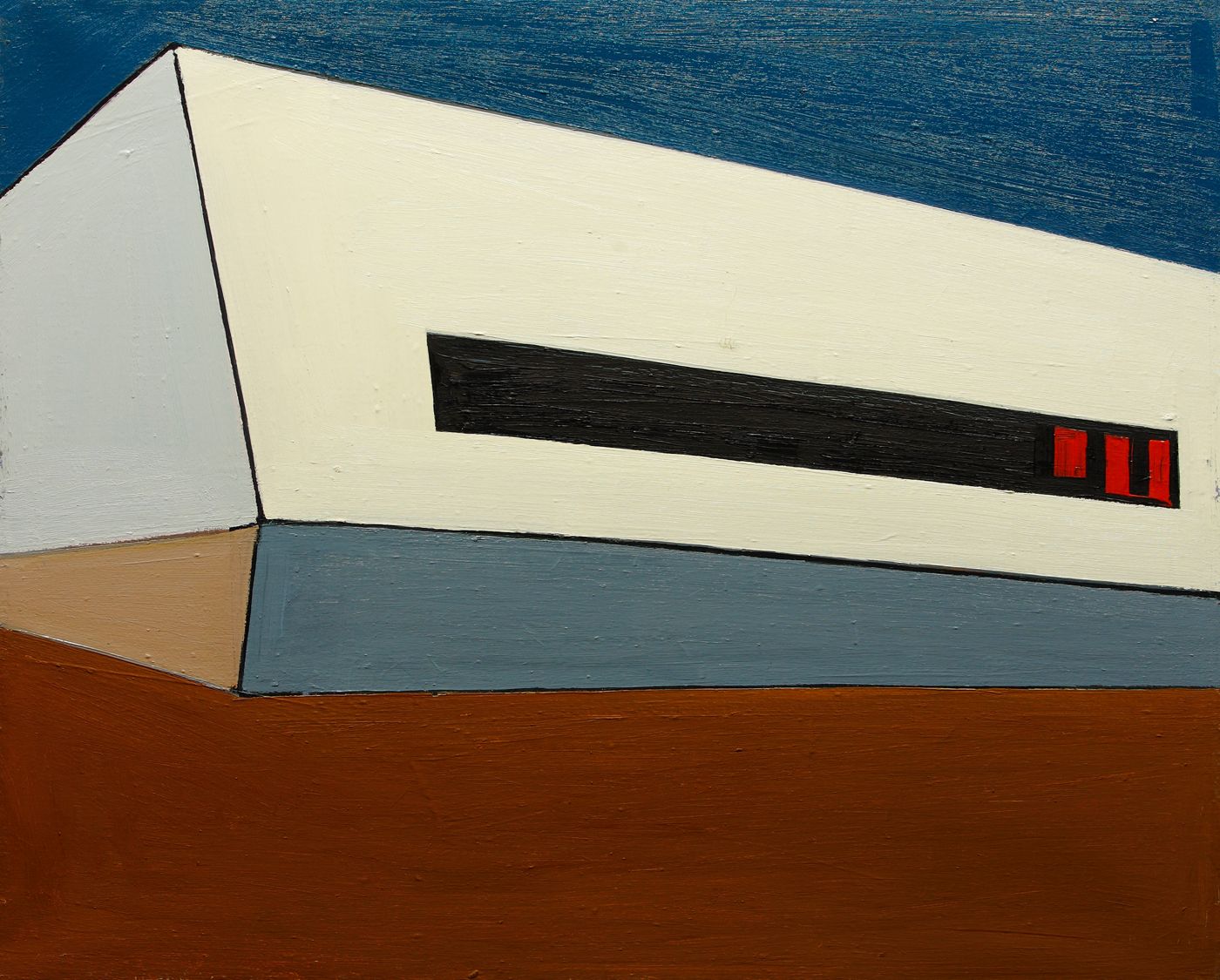
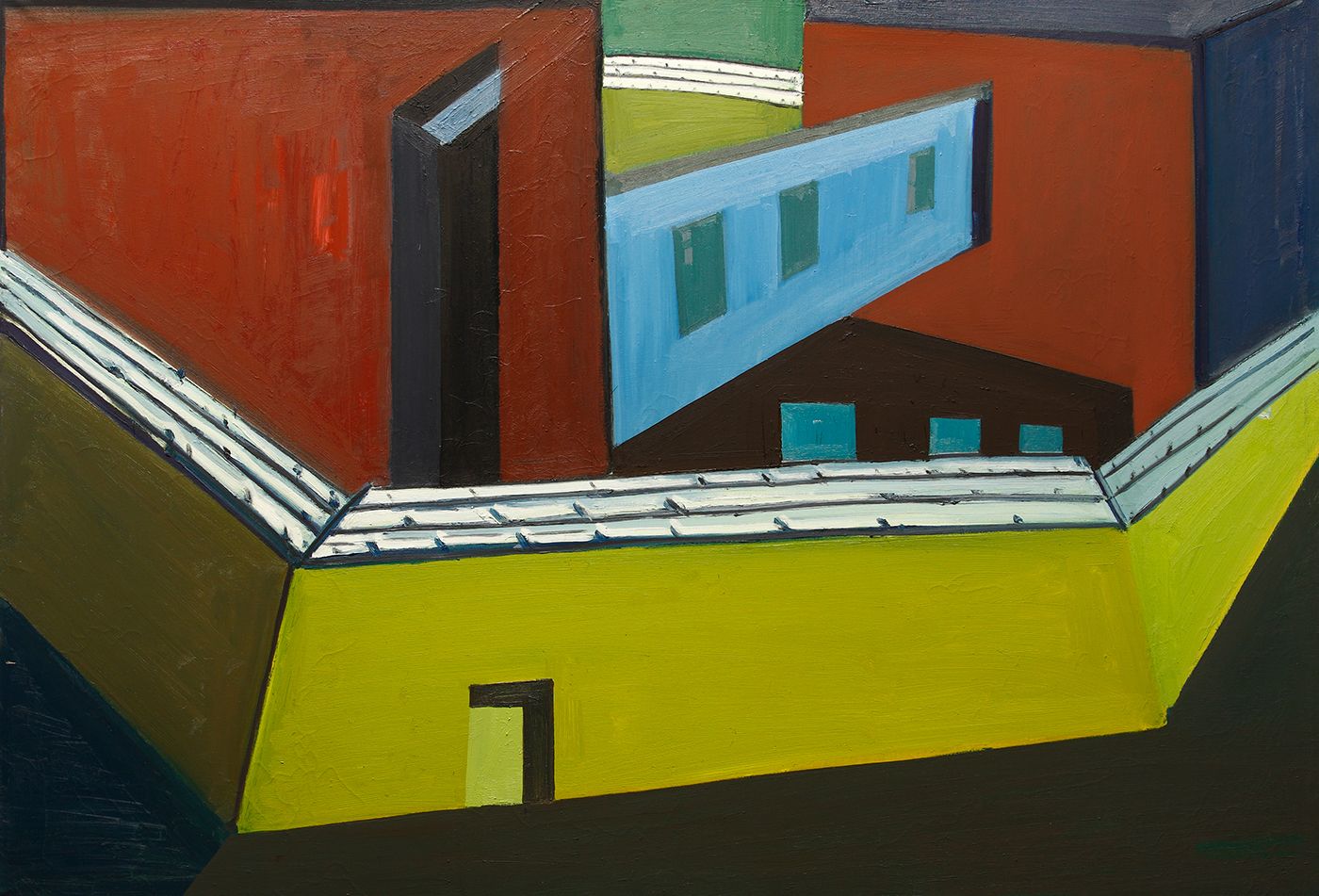
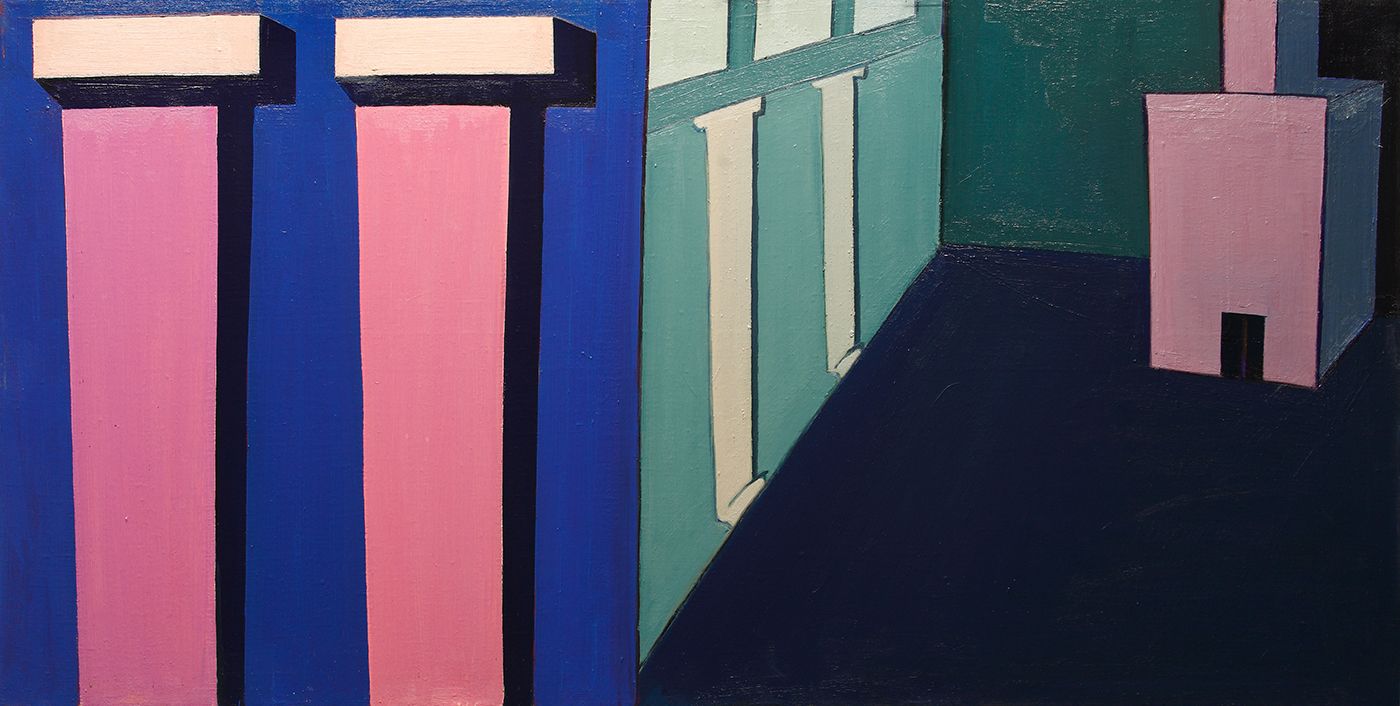
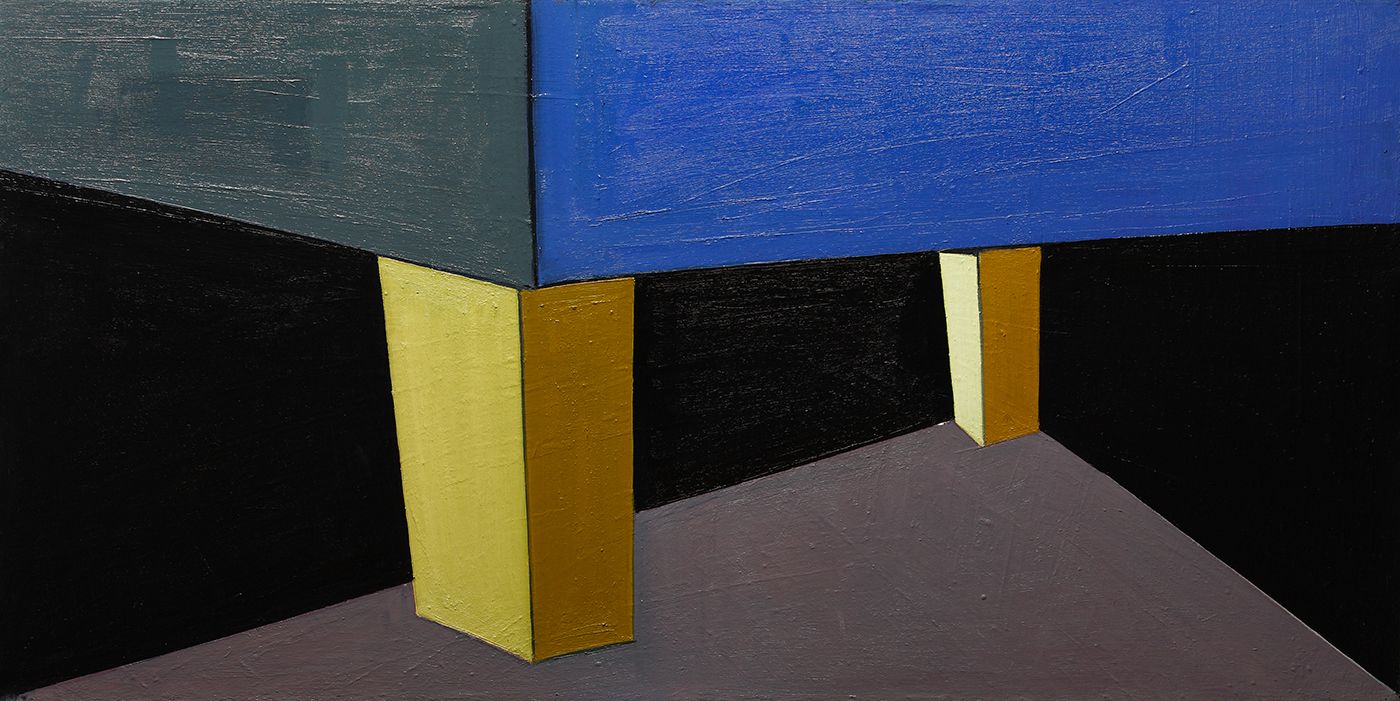
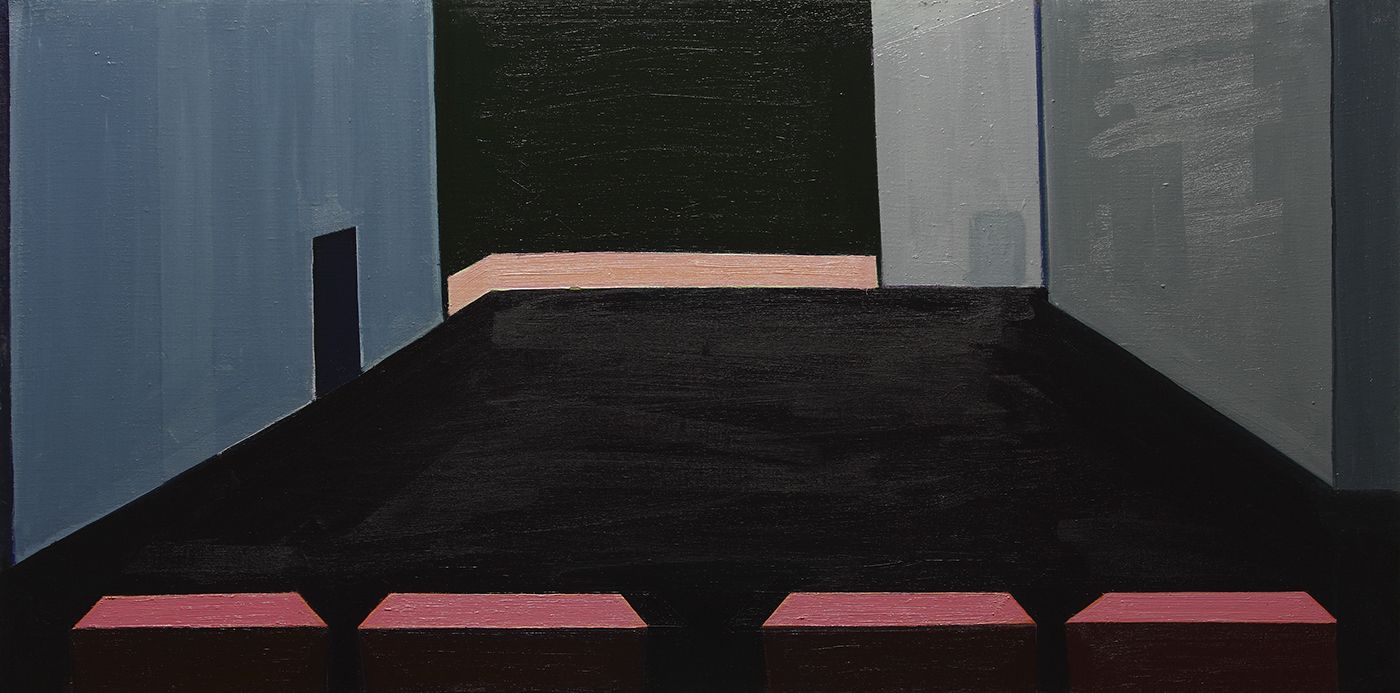
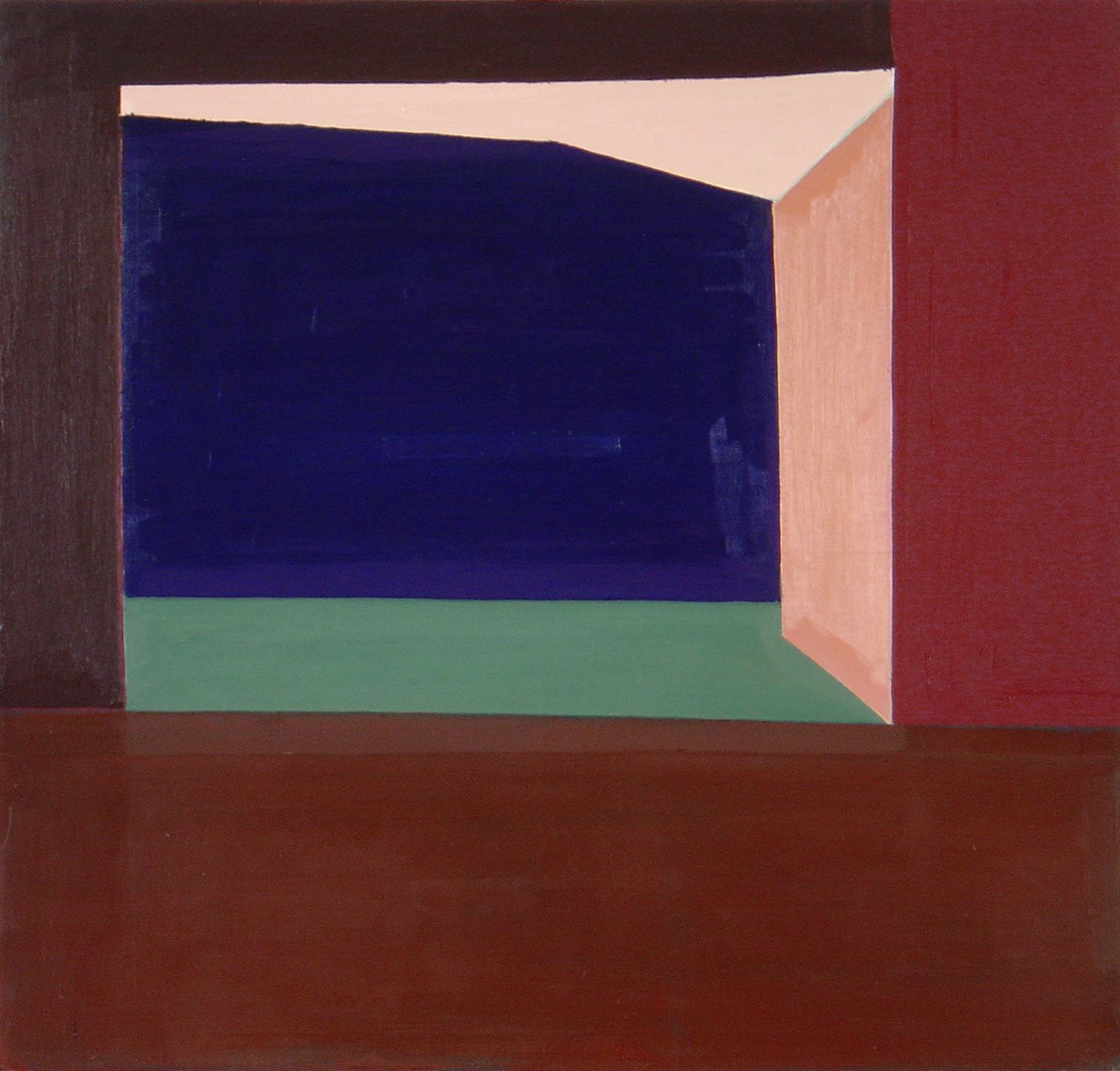
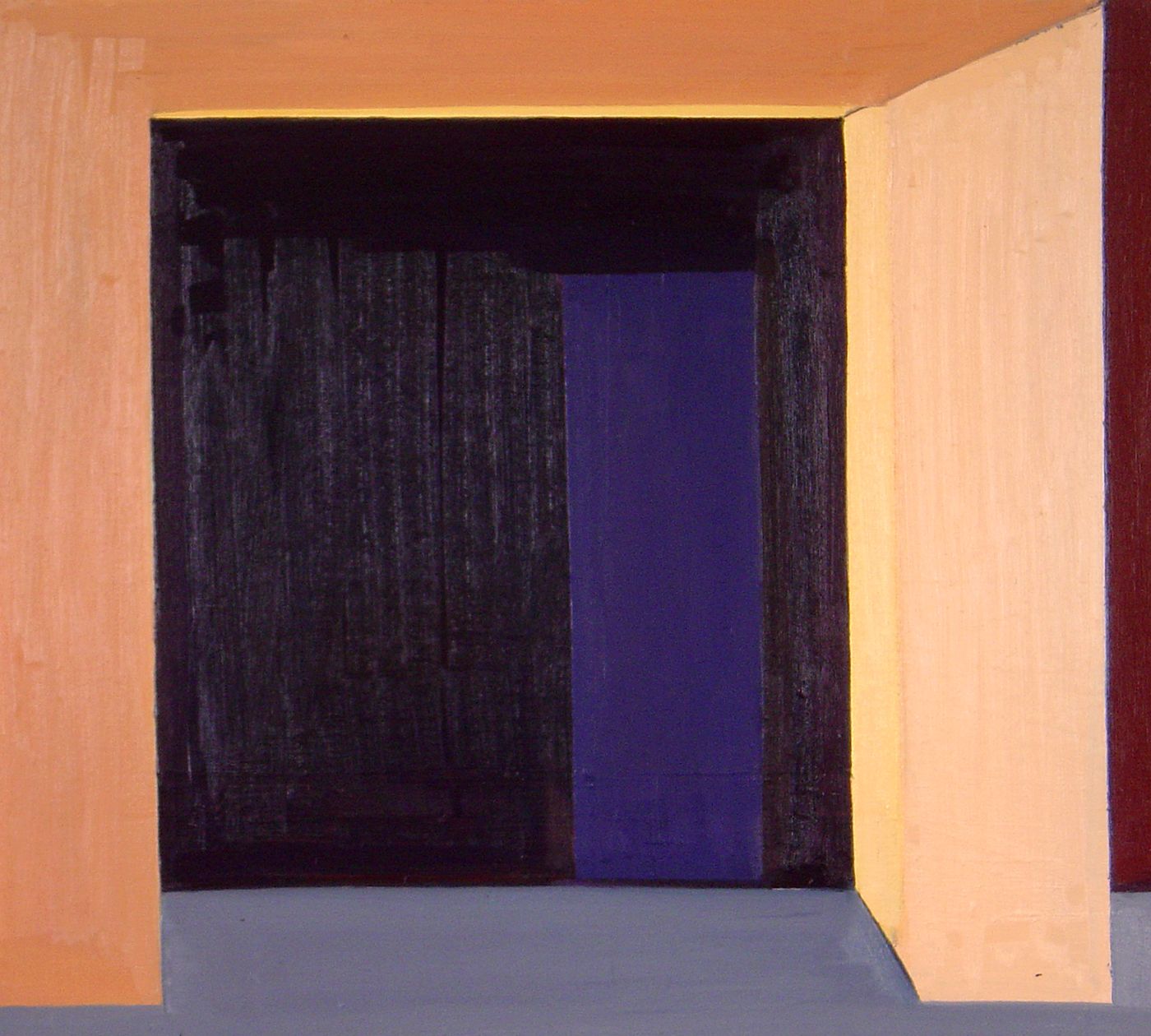
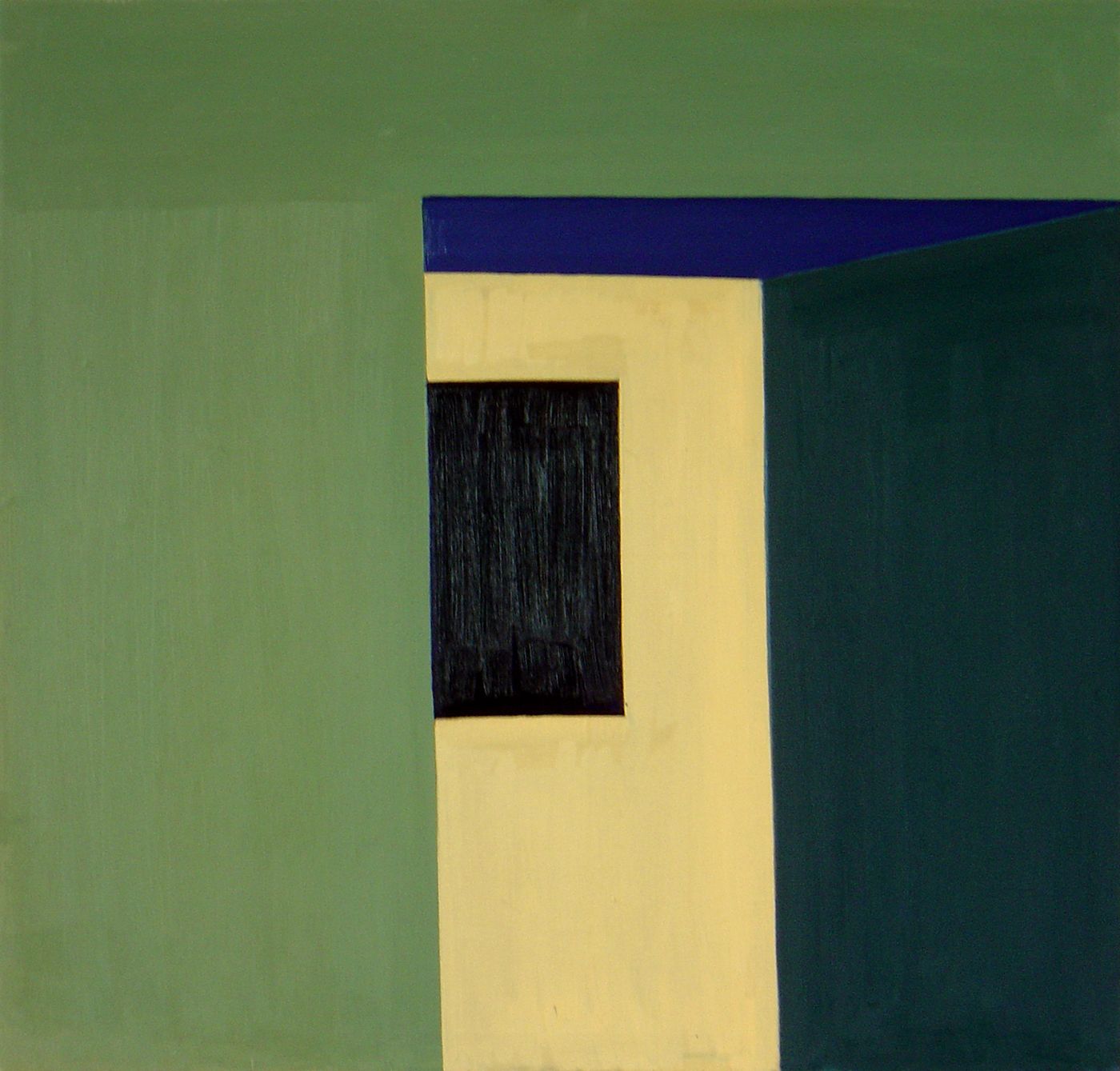
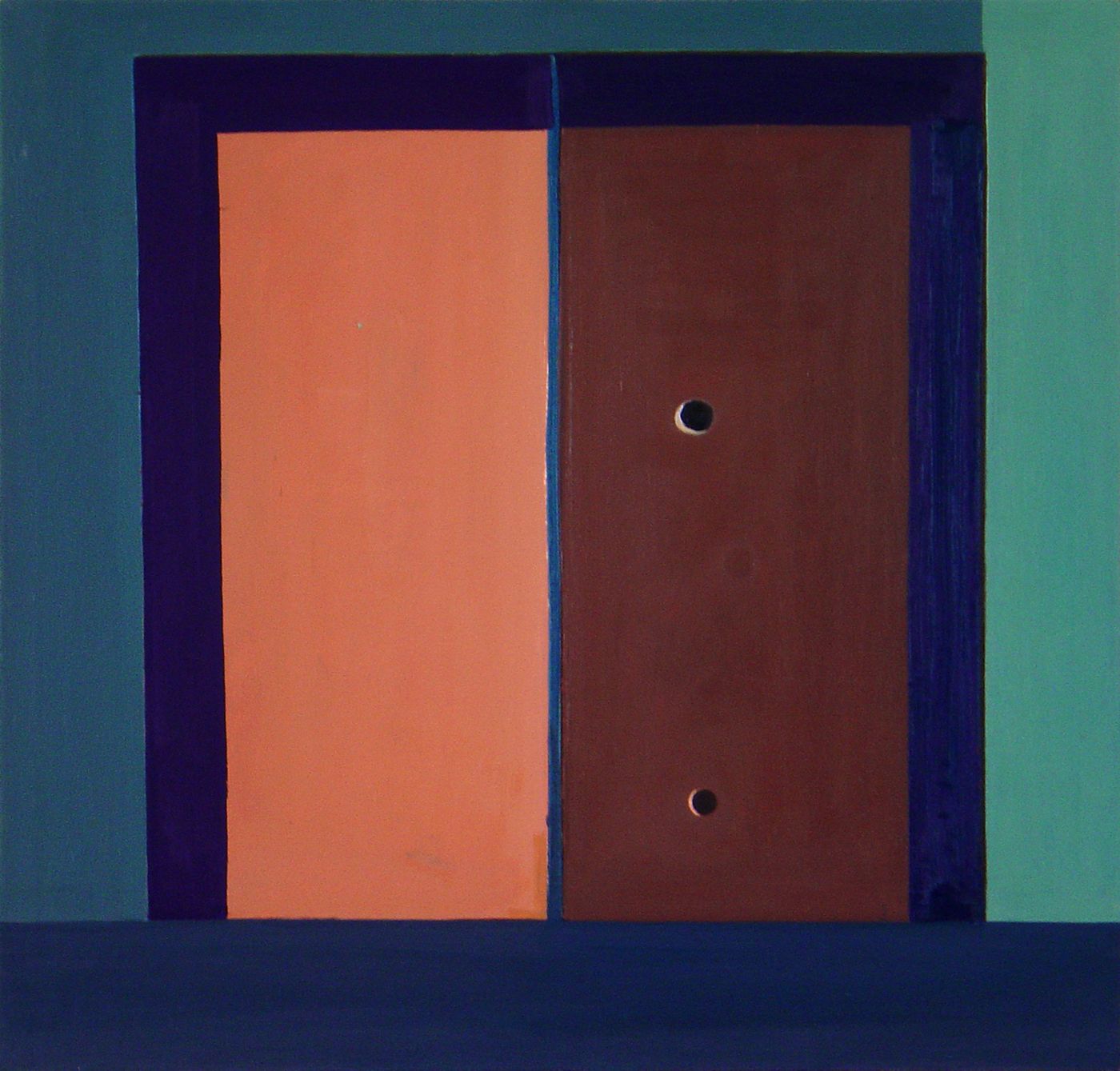
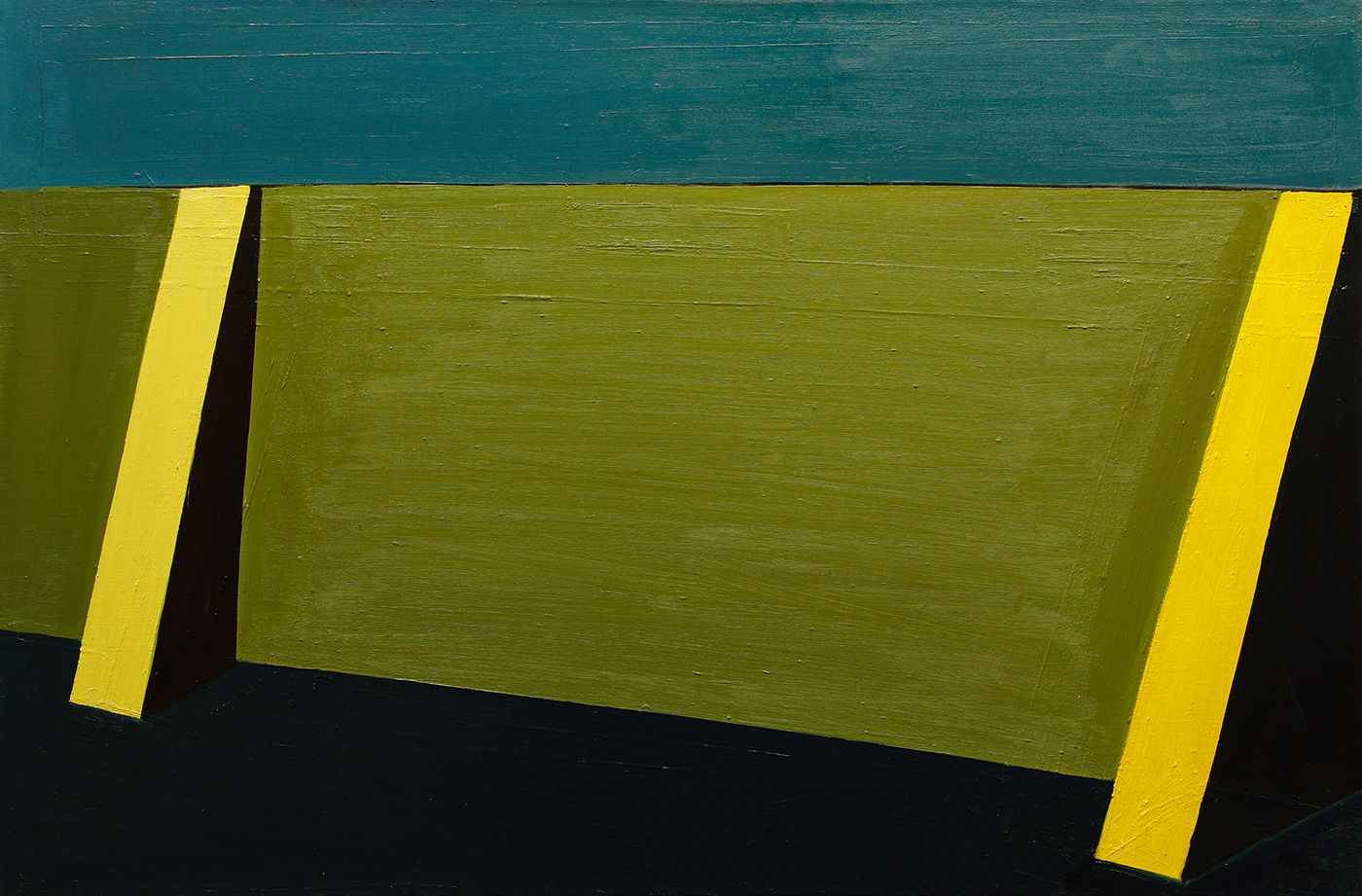
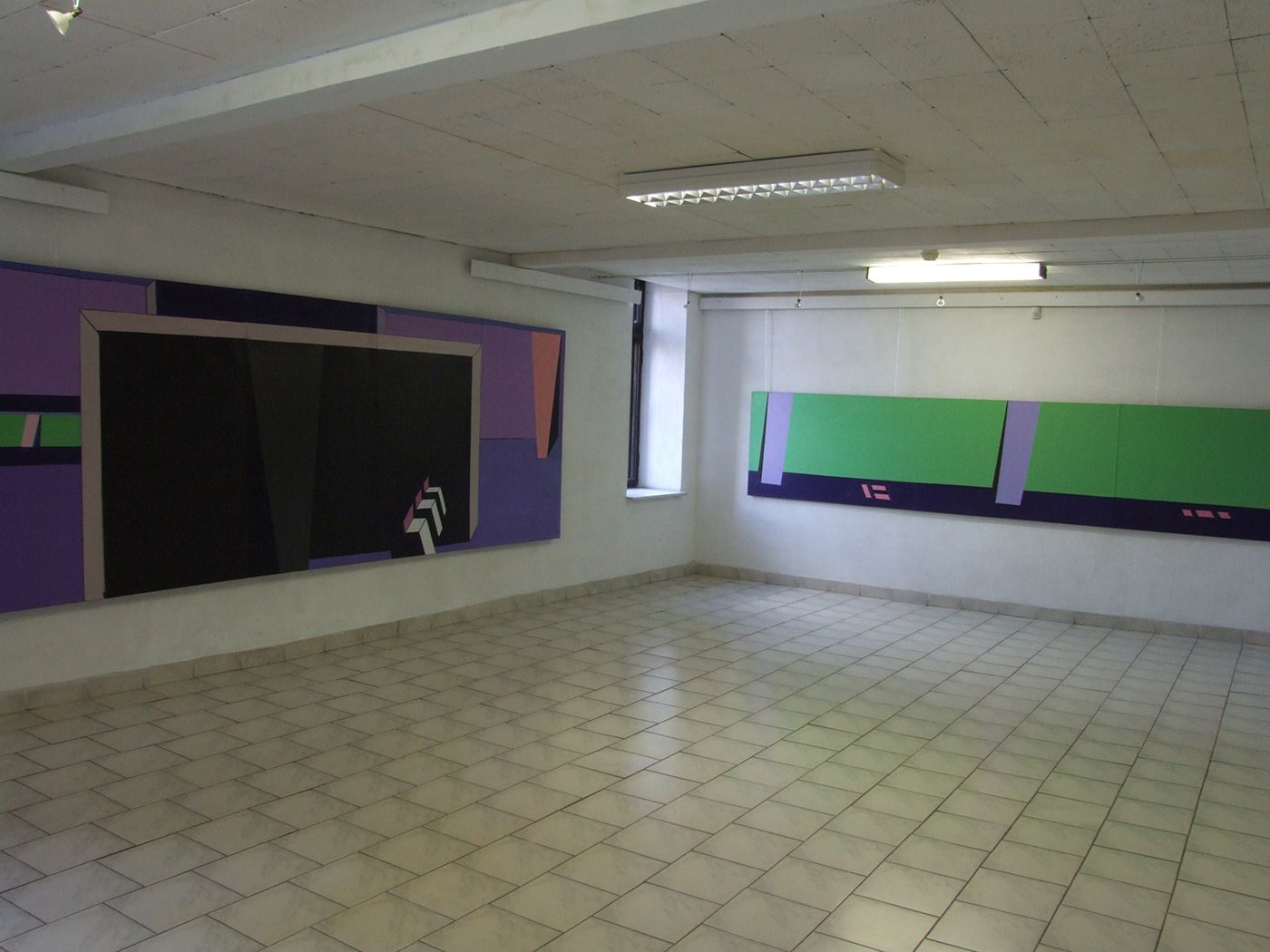
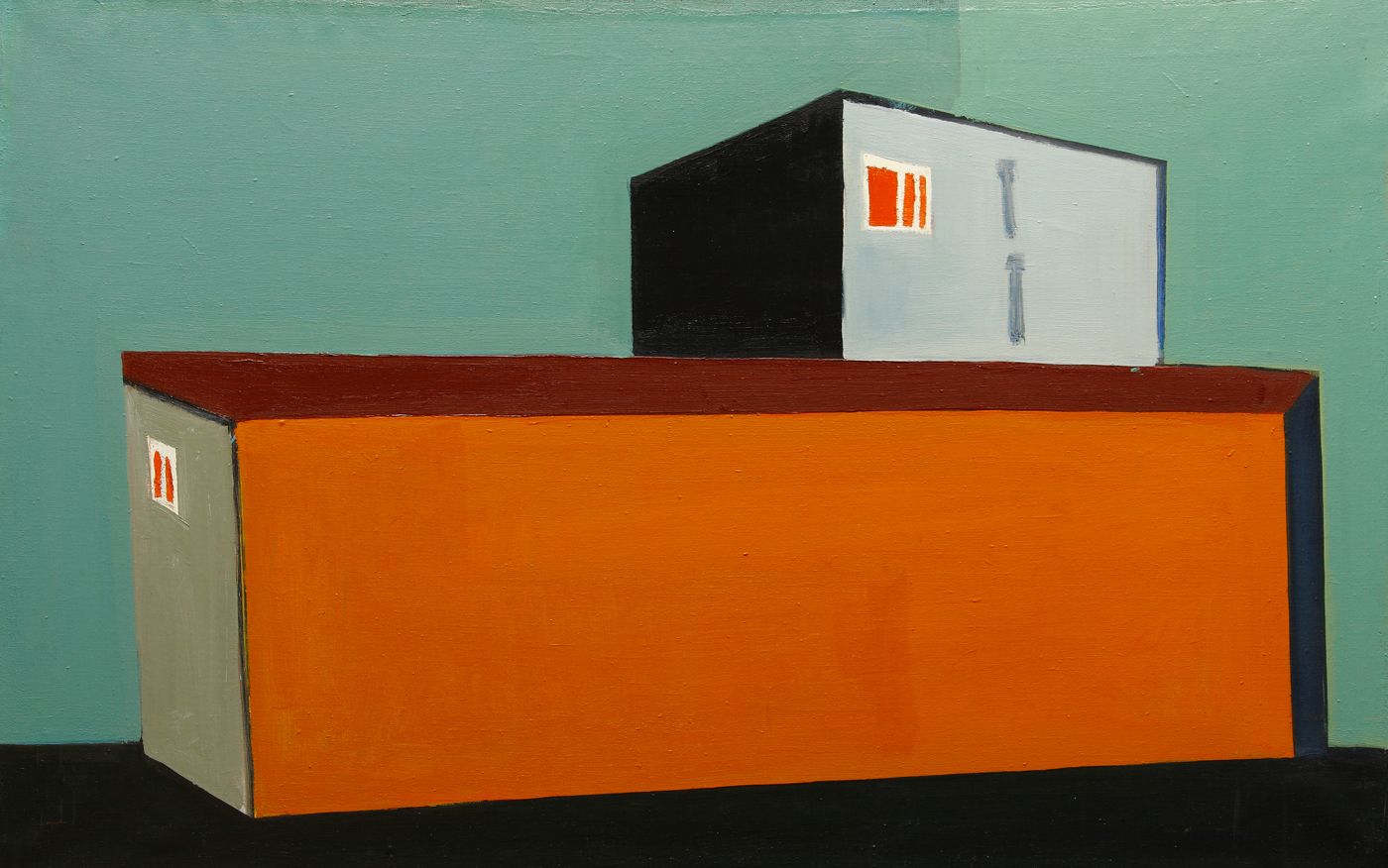
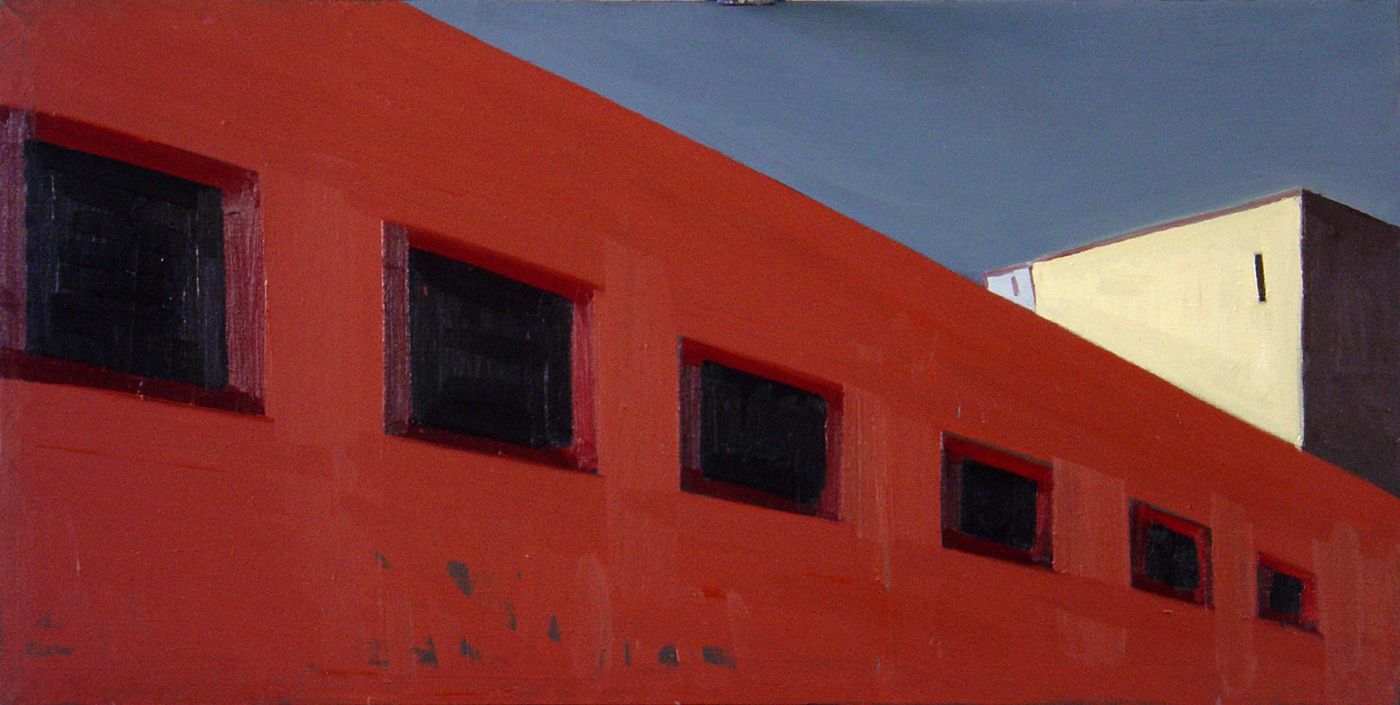
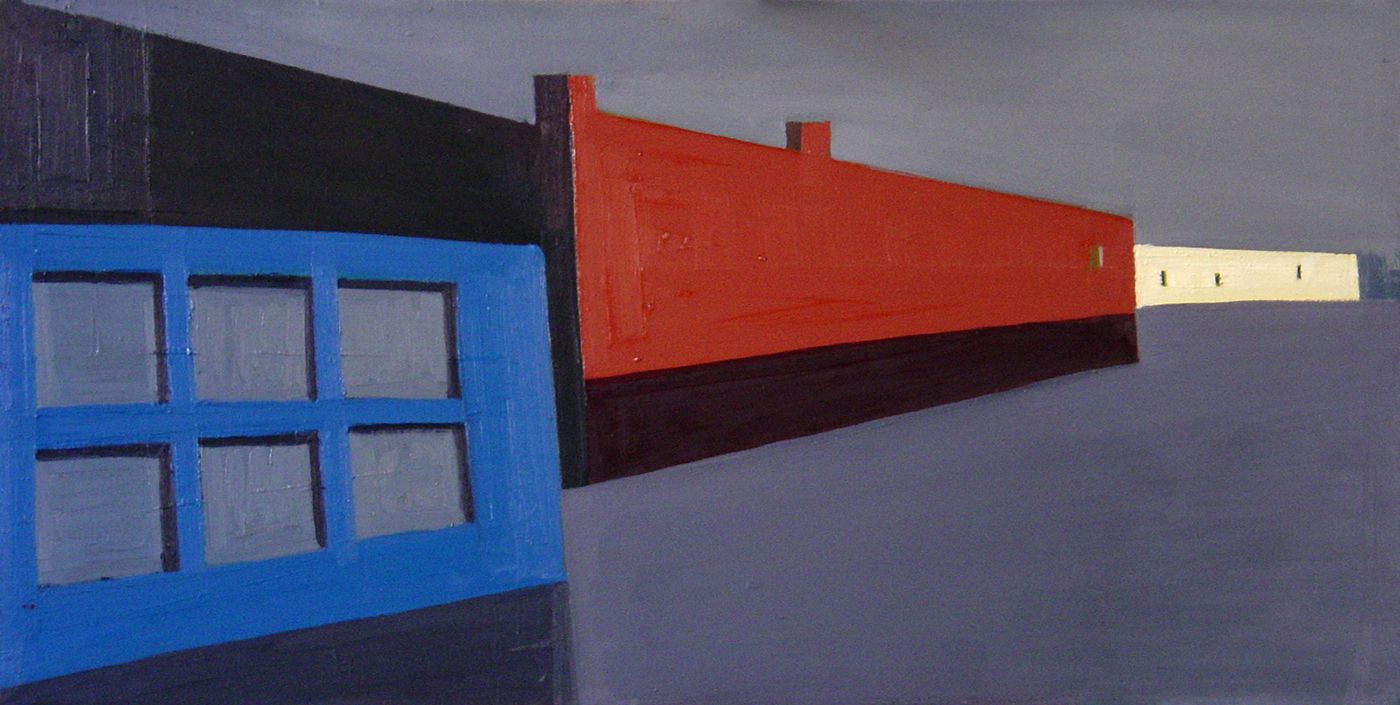
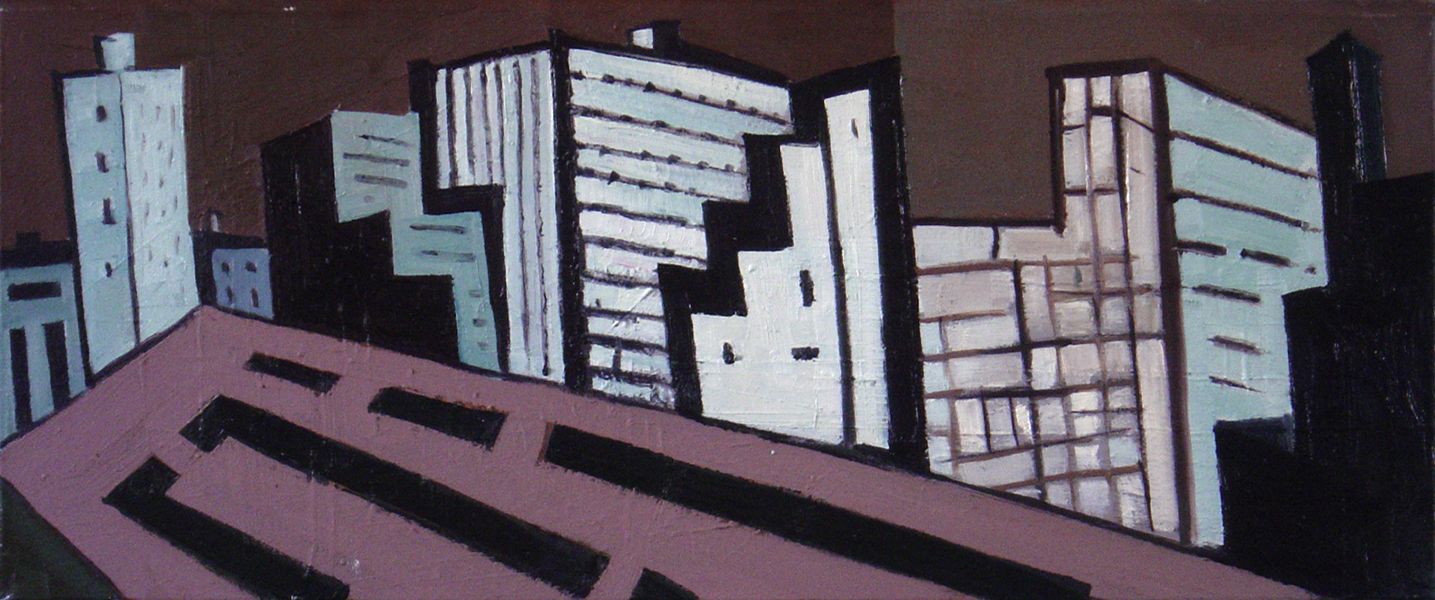
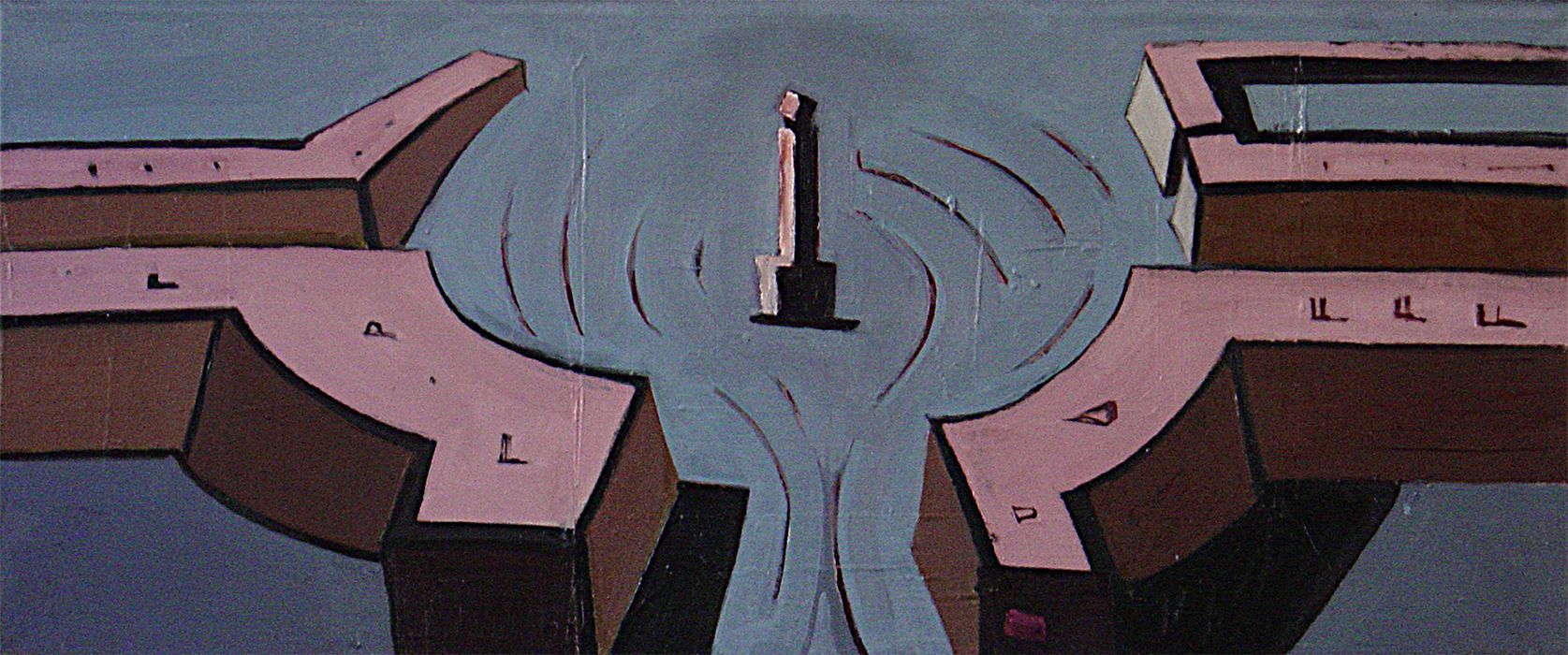
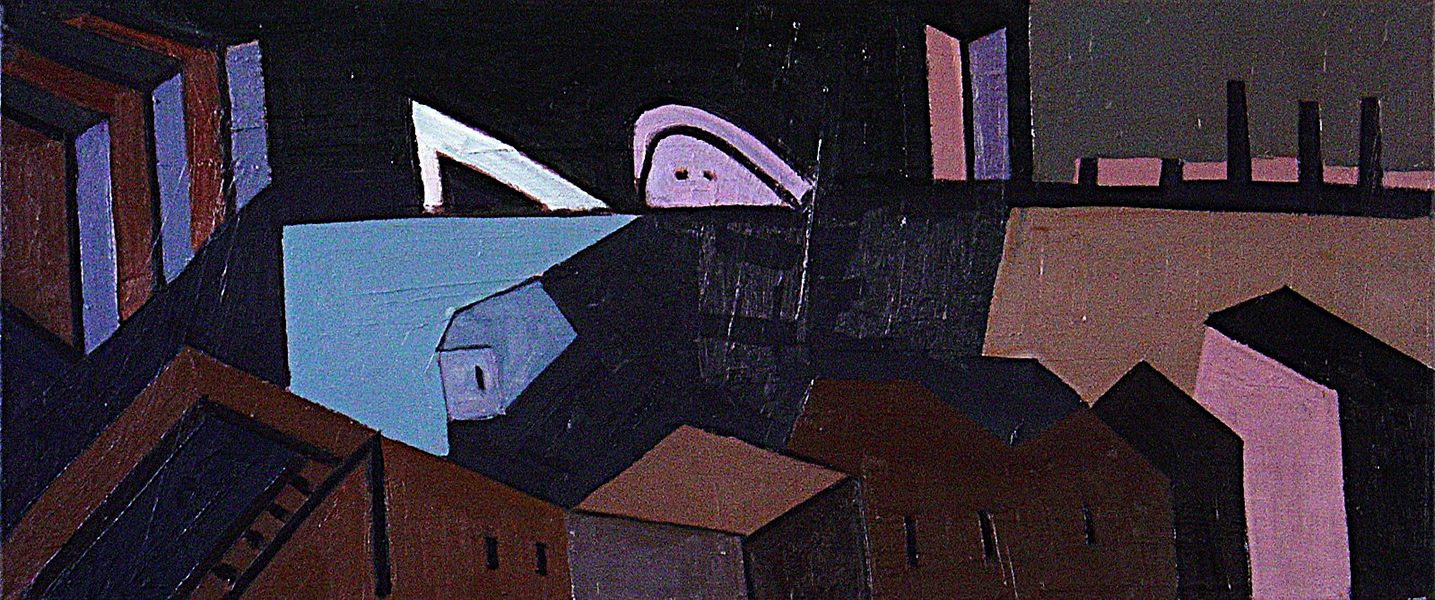
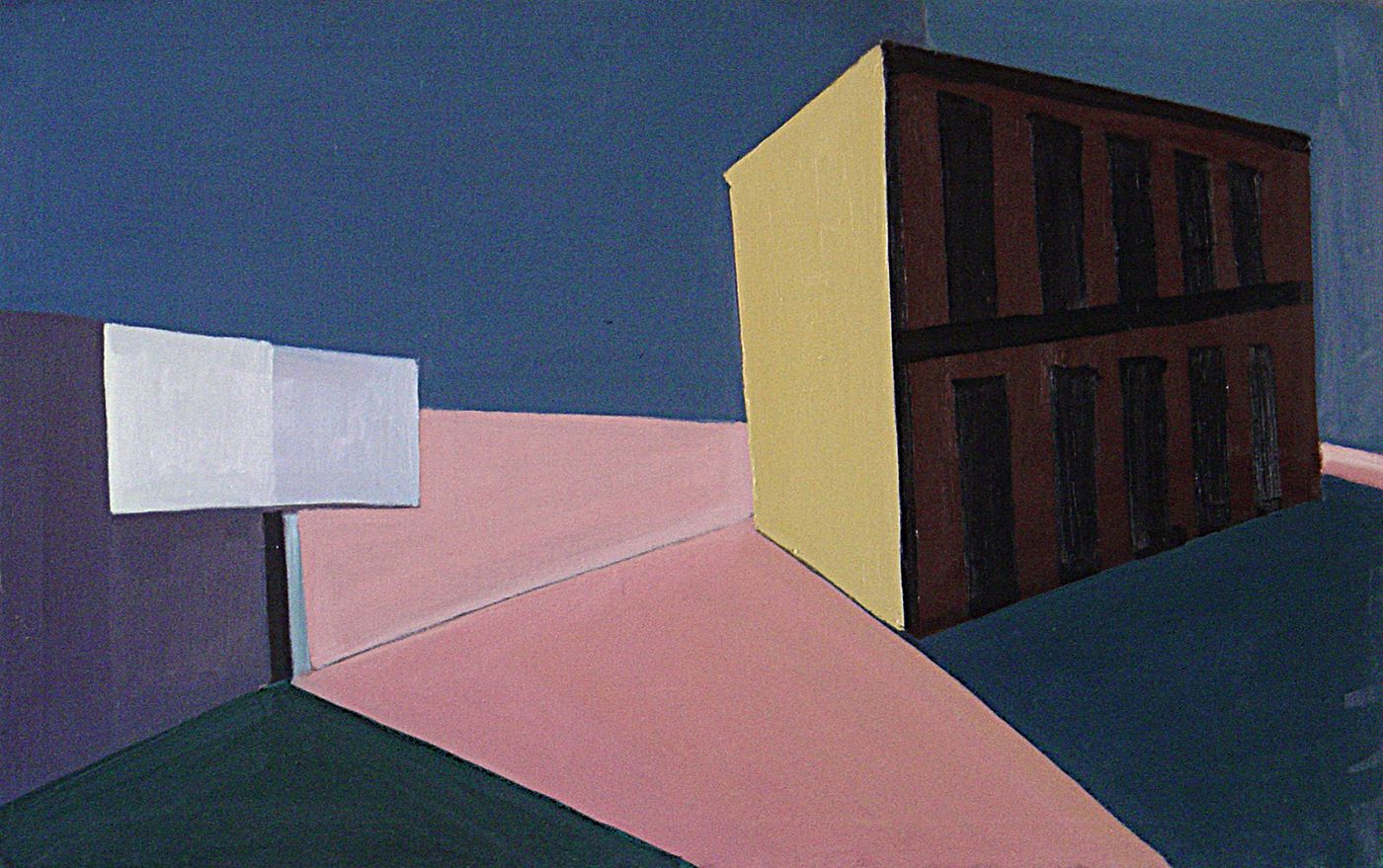
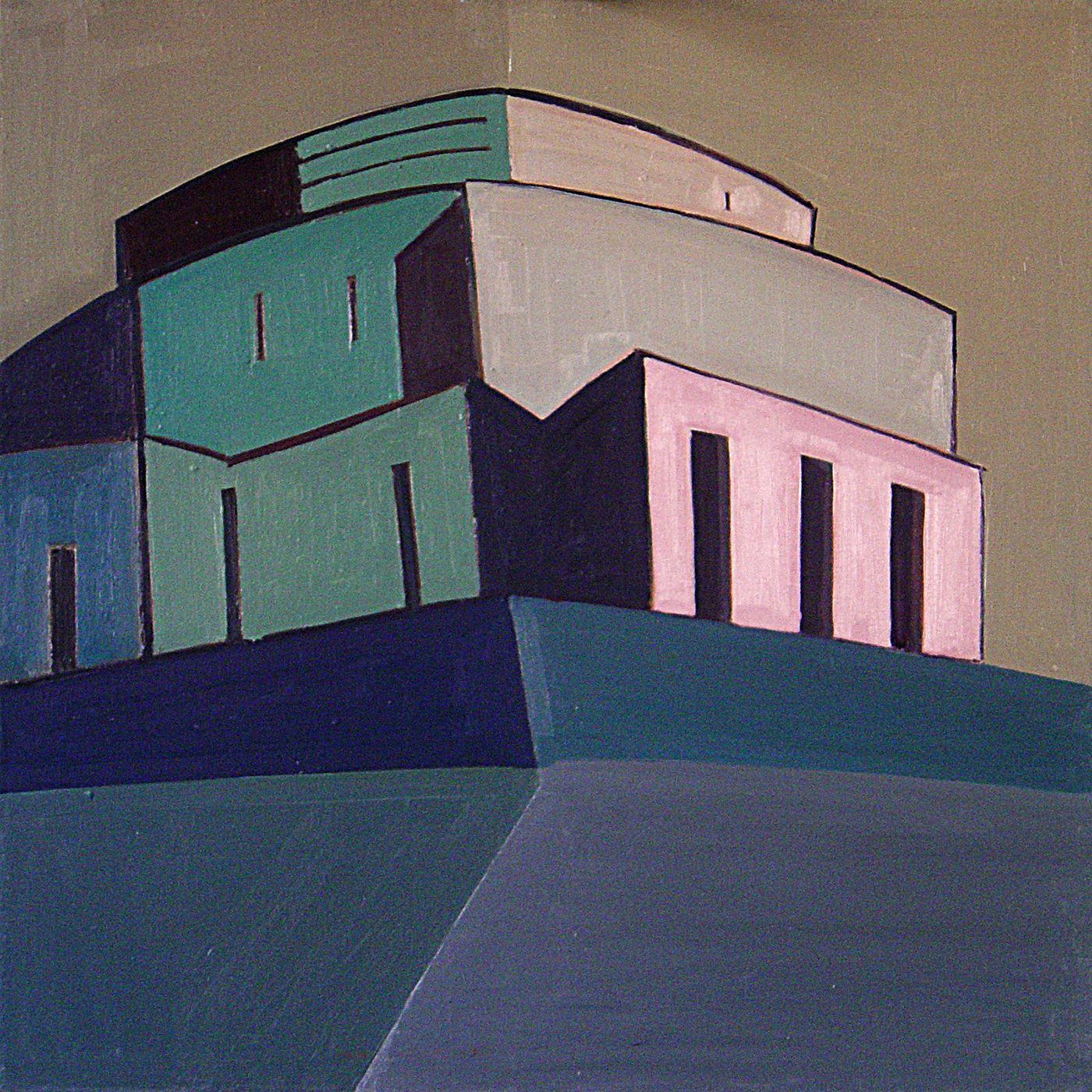
The Forbidden City the series of painting, a metaphor of space of limited access. I was interested in the city’s landmarks in an indefinite situation: renovation or demolition, desolation or reconstruction. Such urban space appears in a borderline situation, in detachment from humanity and civilisation. It’s possible that in this version architectural objects will become archeological artefacts when the natural takes revenge from the cultural. The city in its post-civilisational phase. The city as an object of archeology rediscovered. In this respect one could recall de Chirico’s experience, in whose works the presence of the human is defined in traces-hints. In The Forbidden City these traces are swept away, leaving the architectural objects as “things in themselves”. This mode of city representation look like a scenography which constantly reminds of the flatness of any painted surface.